Partnered with Urban Air to tackle urban air pollution in Asia with a full end to end system for respiratory health.
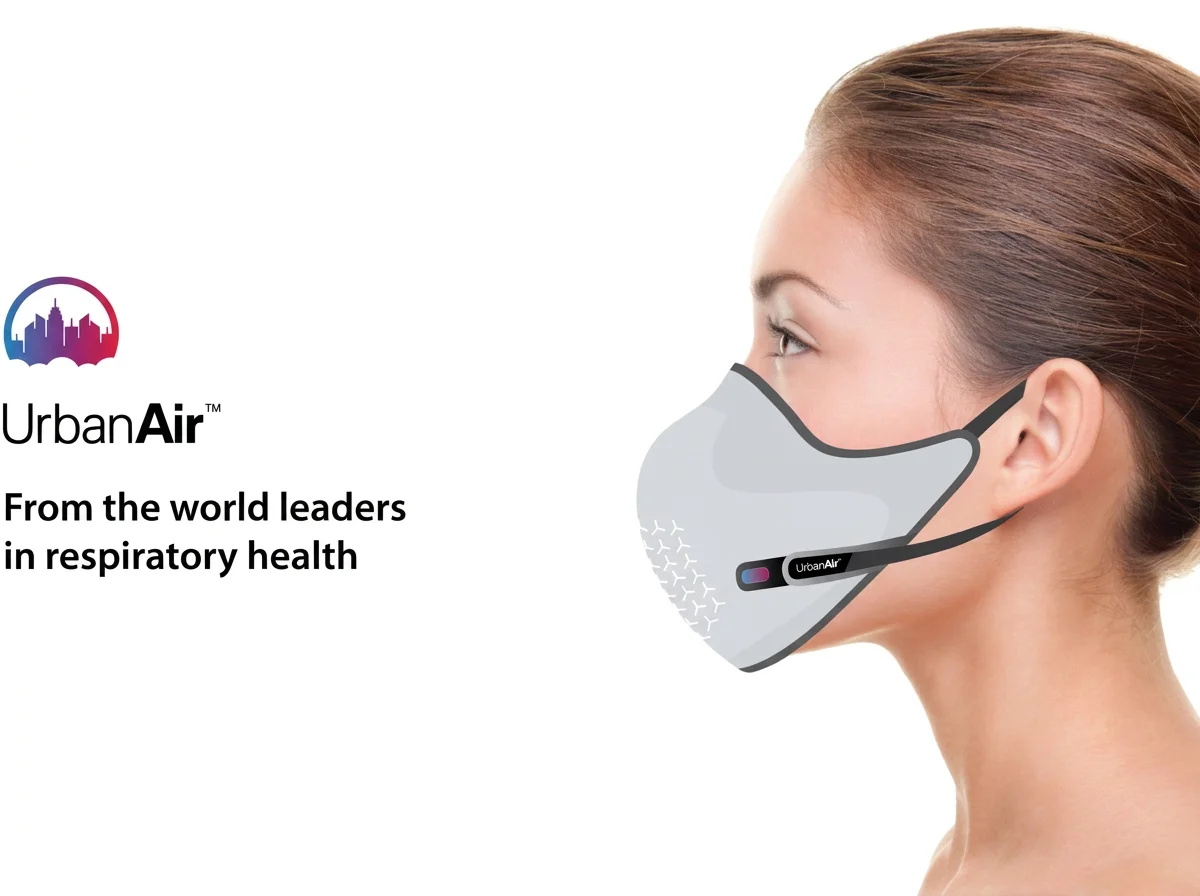
We researched and designed the next‑generation of air-quality mask, specifically testing market viability in the Asian markets. We assessed demand drivers, customer segments, and buying habits in urban, suburban, and peri‑urban areas through out this market.
Project Information:
Client: ResMed Health
Industry: Consumer Products
Services: Design Research & Customer Insight, User Experience Service Design
Defined the product values.
Designed new product concepts.
Developed form and language of the product.
Design for Manufacturing (DFM).
Production support and oversight.
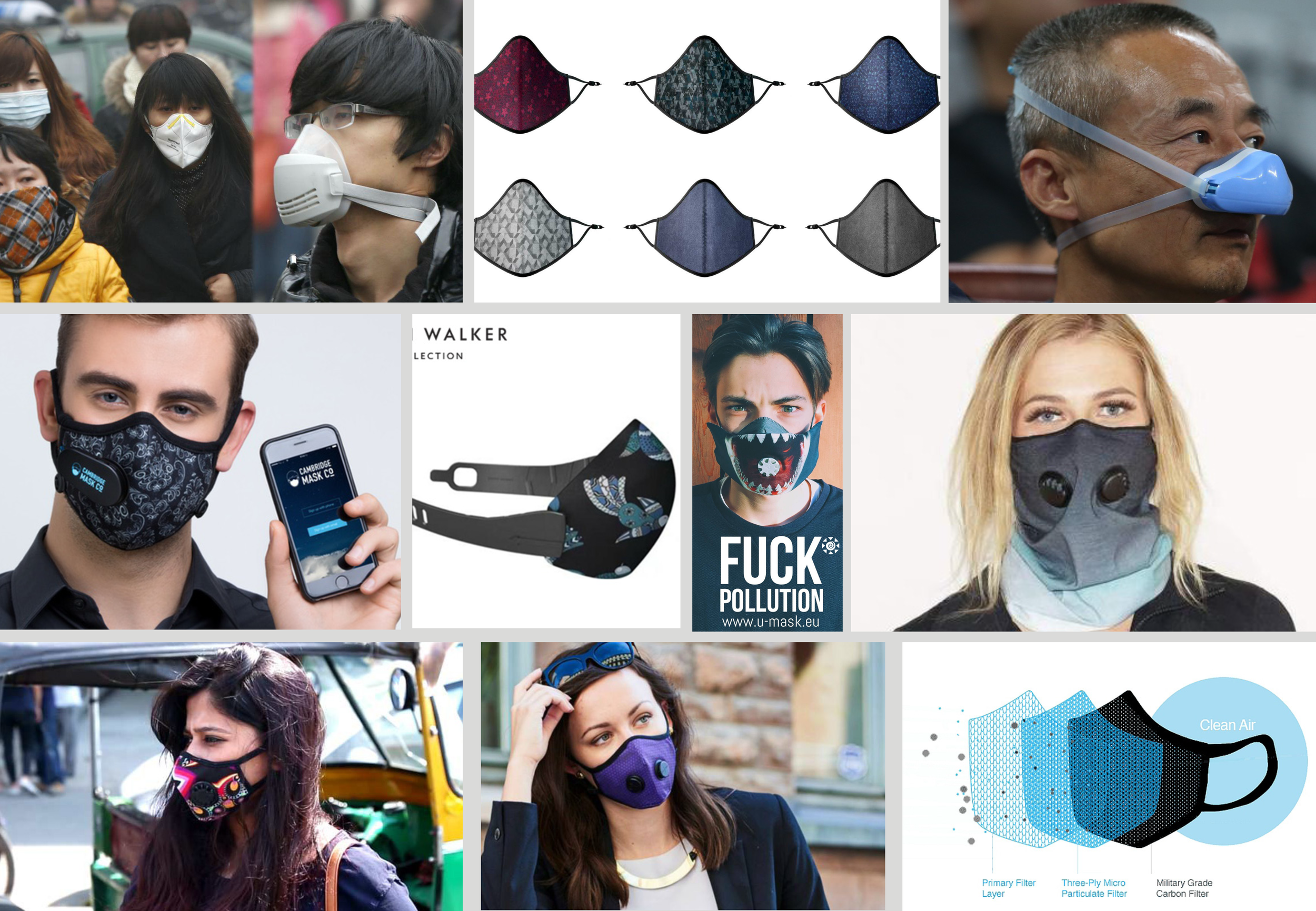
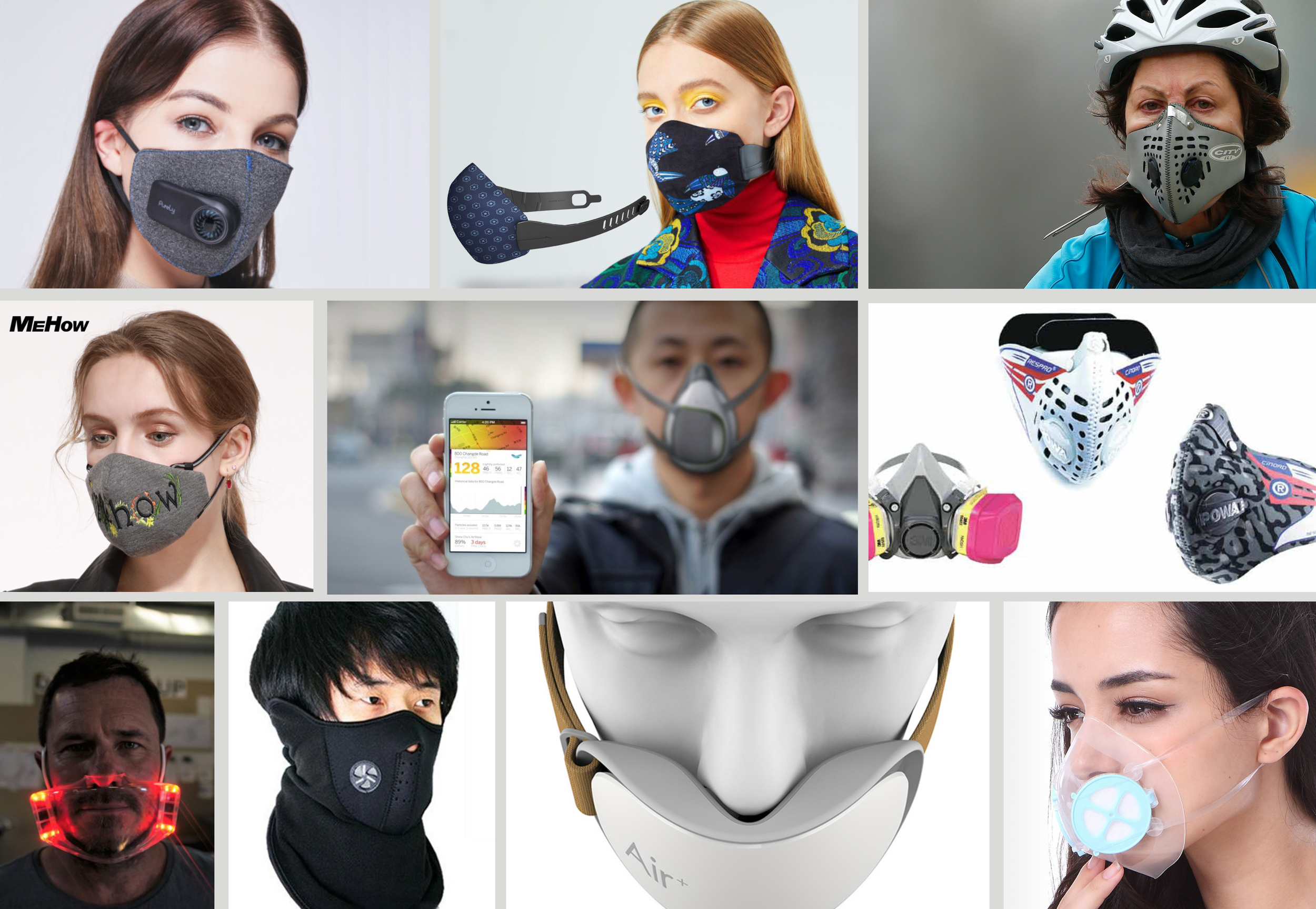
Distinct user segments emerged within our research: daily commuters prioritise comfort and style; parents focus on child fit and safety; industrial and service workers need durable protection; and tech‑oriented users value sensors and connectivity.
-
Overview
Researched and designed concepts for a next‑generation air-quality mask for Asian markets to test market viability. Assessed demand drivers, customer segments, and buying habits in urban, suburban, and peri‑urban areas.
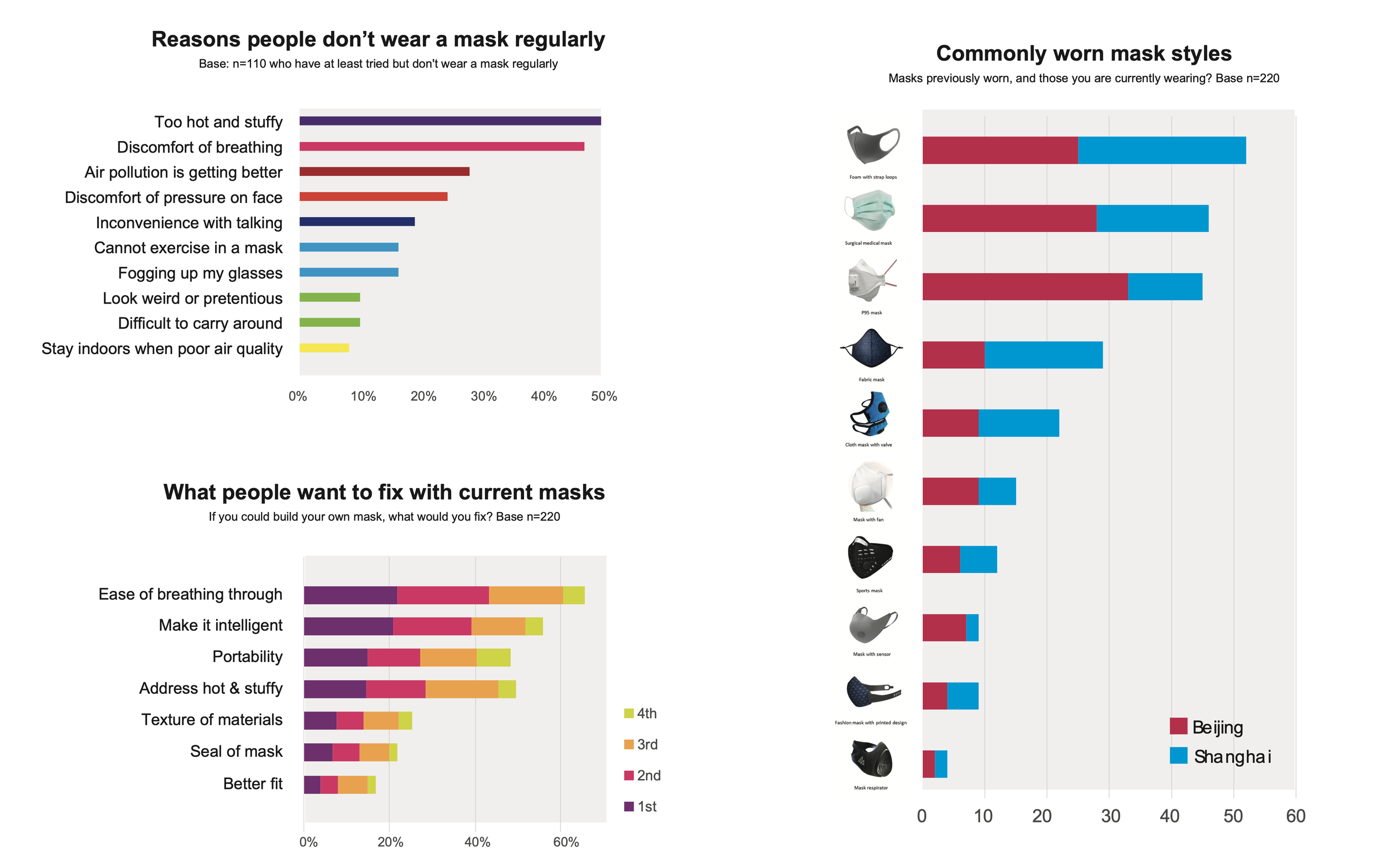
We conducted user research on needs, pain points, and use cases: commuting, work, pollution events, seasonal allergies, and outbreaks. Mapped competitors (disposable, reusable, respirator, smart masks), prices, features, and channels. Reviewed regional regulations and certifications (KN95, KF94, EN, local standards), import/export limits, and manufacturing compliance. Scoped filtration, fit/seal, comfort, durability, and optional sensors.
We developed concept directions balancing protection, comfort, culture, looks, and cost. Evaluated business model and go‑to‑market: unit economics, pricing, scale, distribution, and partners. From this information, we produced a risk assessment of technical, regulatory, market, and supply‑chain risks with prioritised next‑step recommendations.
Frame
Persistent poor air quality in many Asian cities creates steady demand for effective masks, supporting higher-value reusable options. Distinct user segments emerge: daily commuters prioritise comfort and style; parents focus on child fit and safety; industrial and service workers need durable protection; and tech‑oriented users value sensors and connectivity.
Fit matters; one‑size masks are inadequate, so adjustable designs or multiple sizes improve seal, comfort and real‑world protection. Comfort and breathability are essential: low breathing resistance, lightweight materials and heat management drive adoption because users avoid masks that are hard to breathe in or that trap heat. Appearance also matters, as masks function as accessories; design, colour choices, and subtle branding significantly affect acceptance, especially among younger consumers. Reusable masks score well on sustainability and lifetime cost but require clear cleaning instructions and durable materials to maintain filtration performance over time.
Price sensitivity varies: urban, affluent buyers are willing to pay more for higher protection and features, while willingness to pay declines in broader segments, so tiered pricing helps capture both premium and mass markets. Regulatory hurdles - differing certification requirements by market - can add cost and delay to launches, so engaging certifiers early in product development helps de‑risk timelines and design choices. Finally, value‑added features like sensors, app connectivity and replaceable filters attract a subset of users but add cost, complexity and power/maintenance needs, and are best positioned as premium options rather than mass defaults.
Our Approach
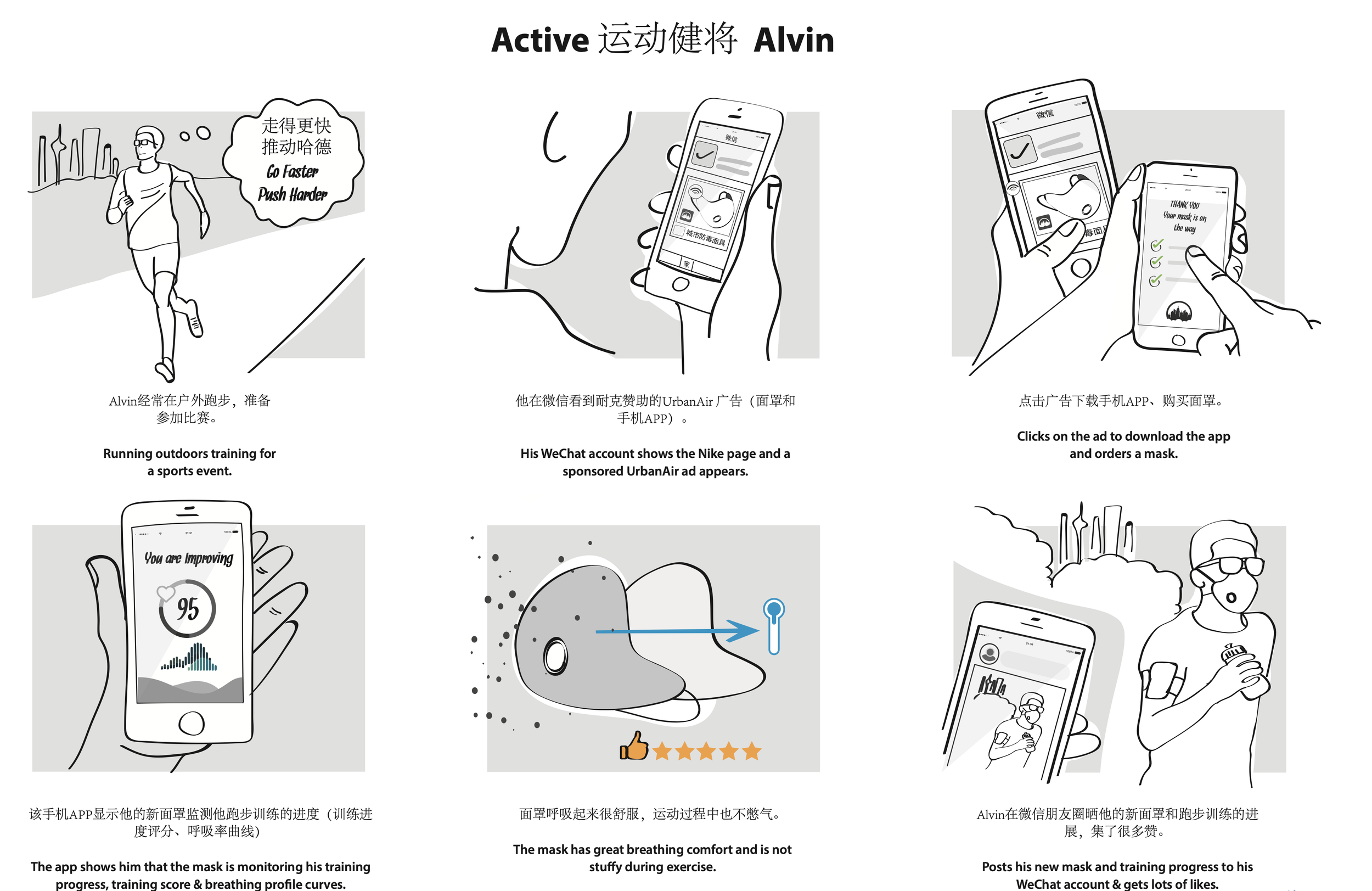
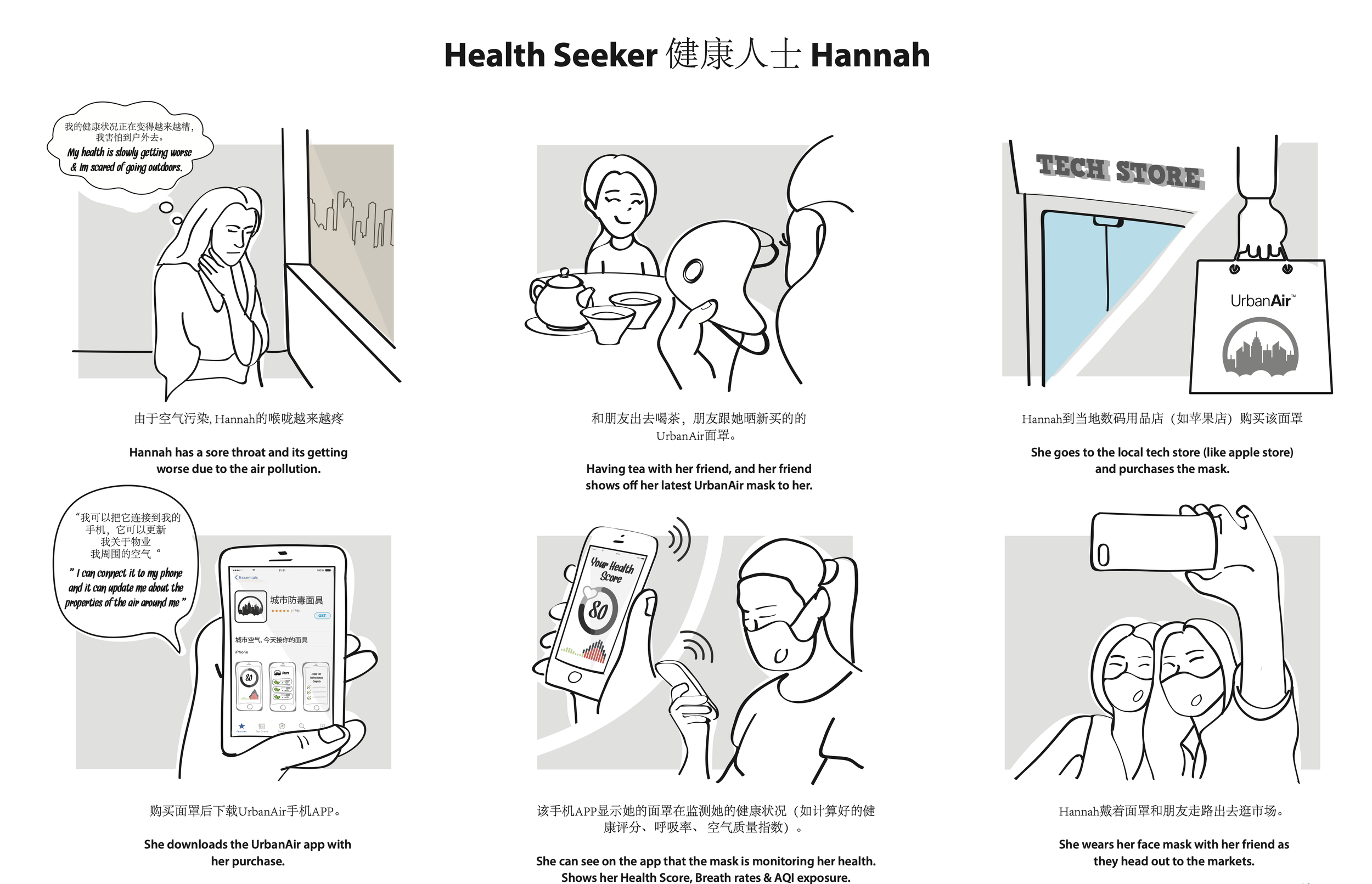
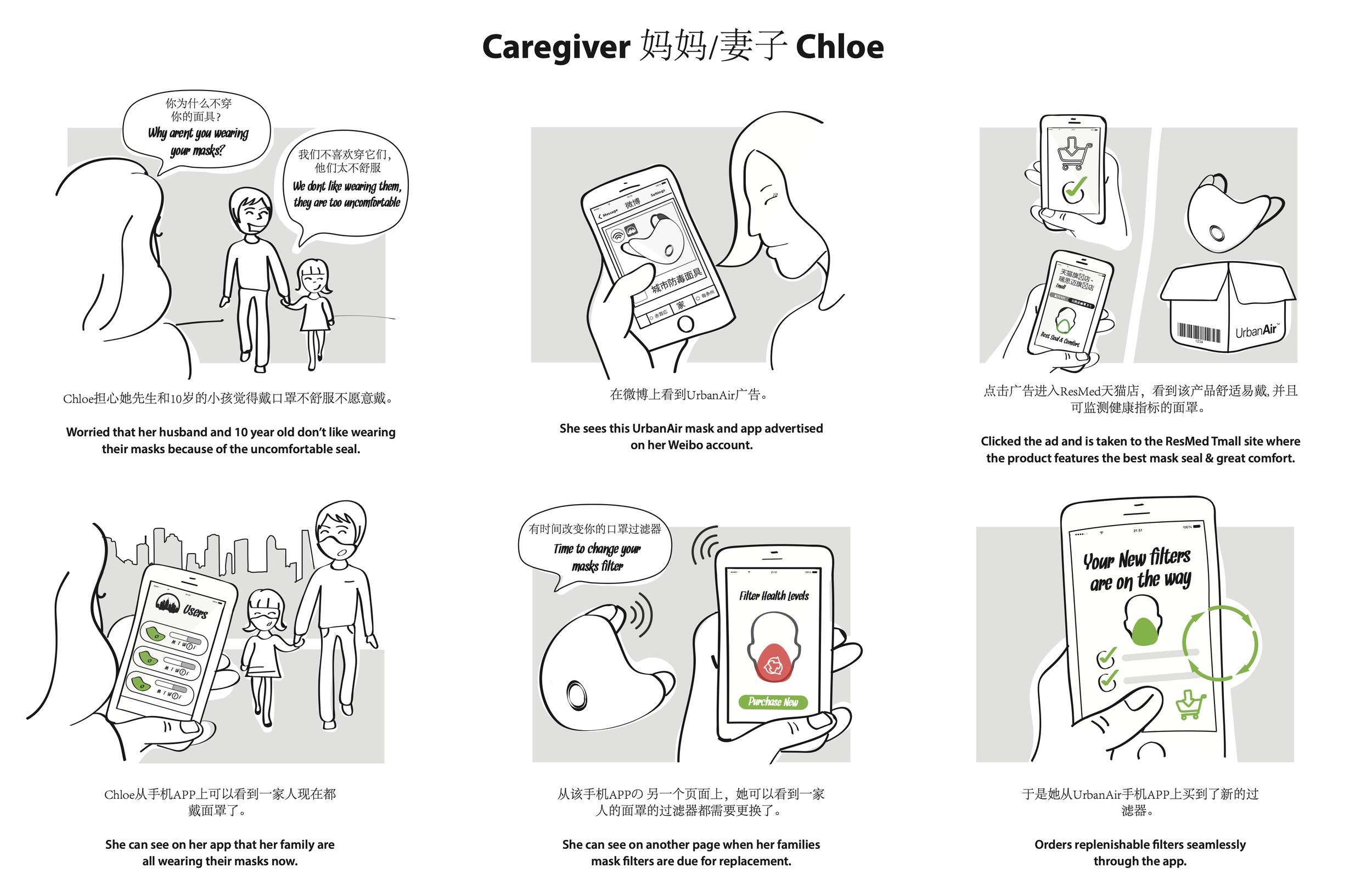
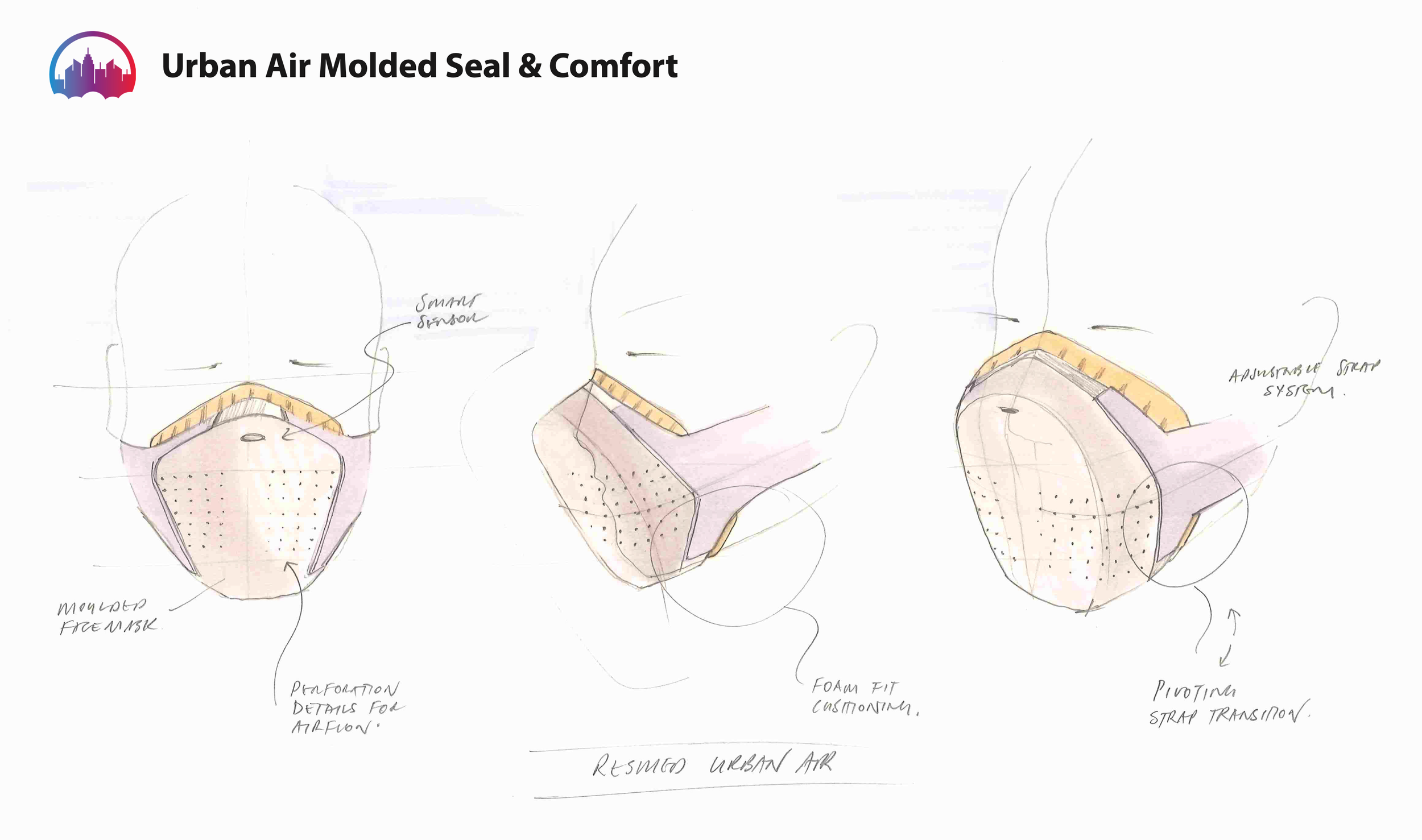
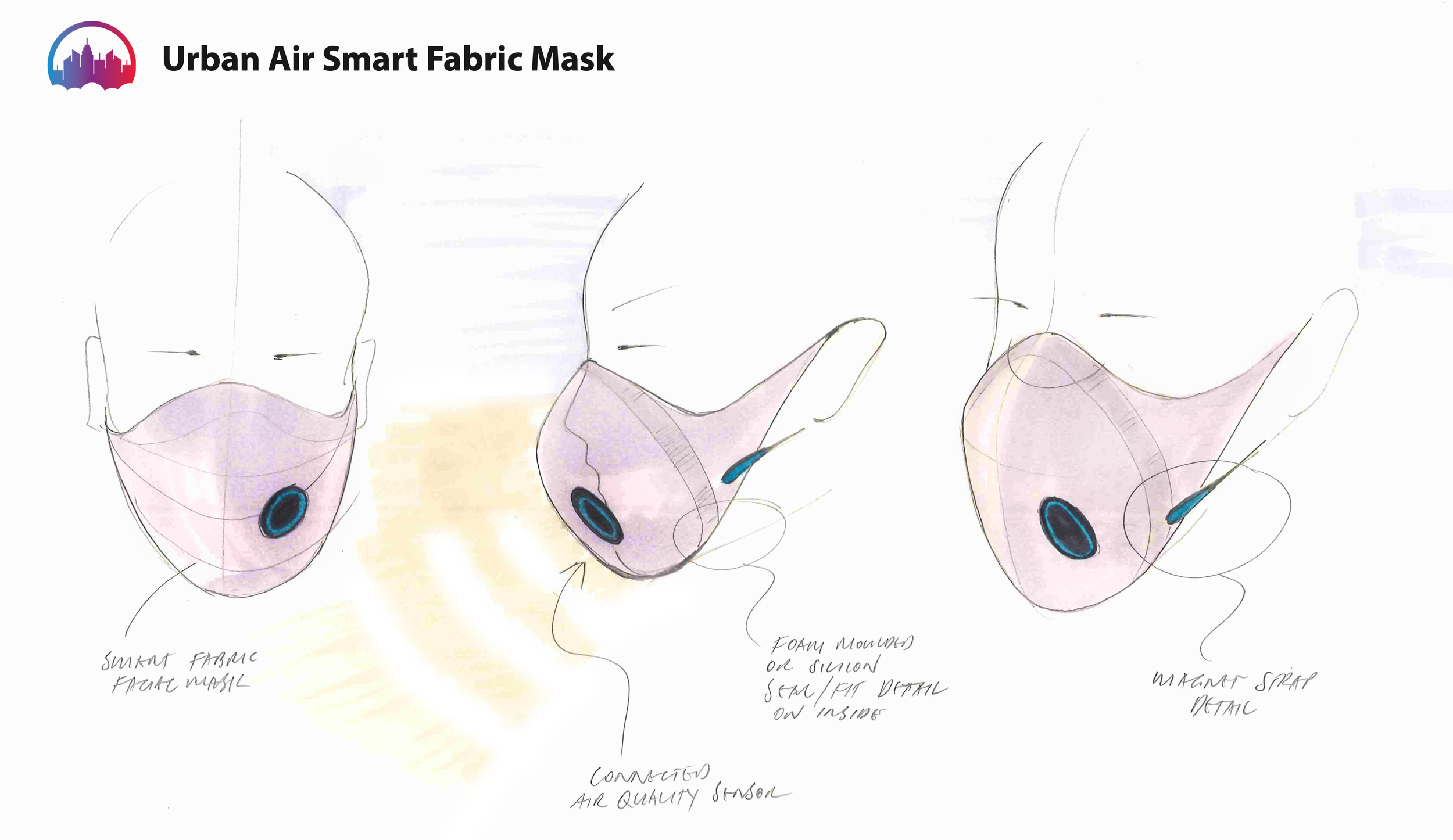
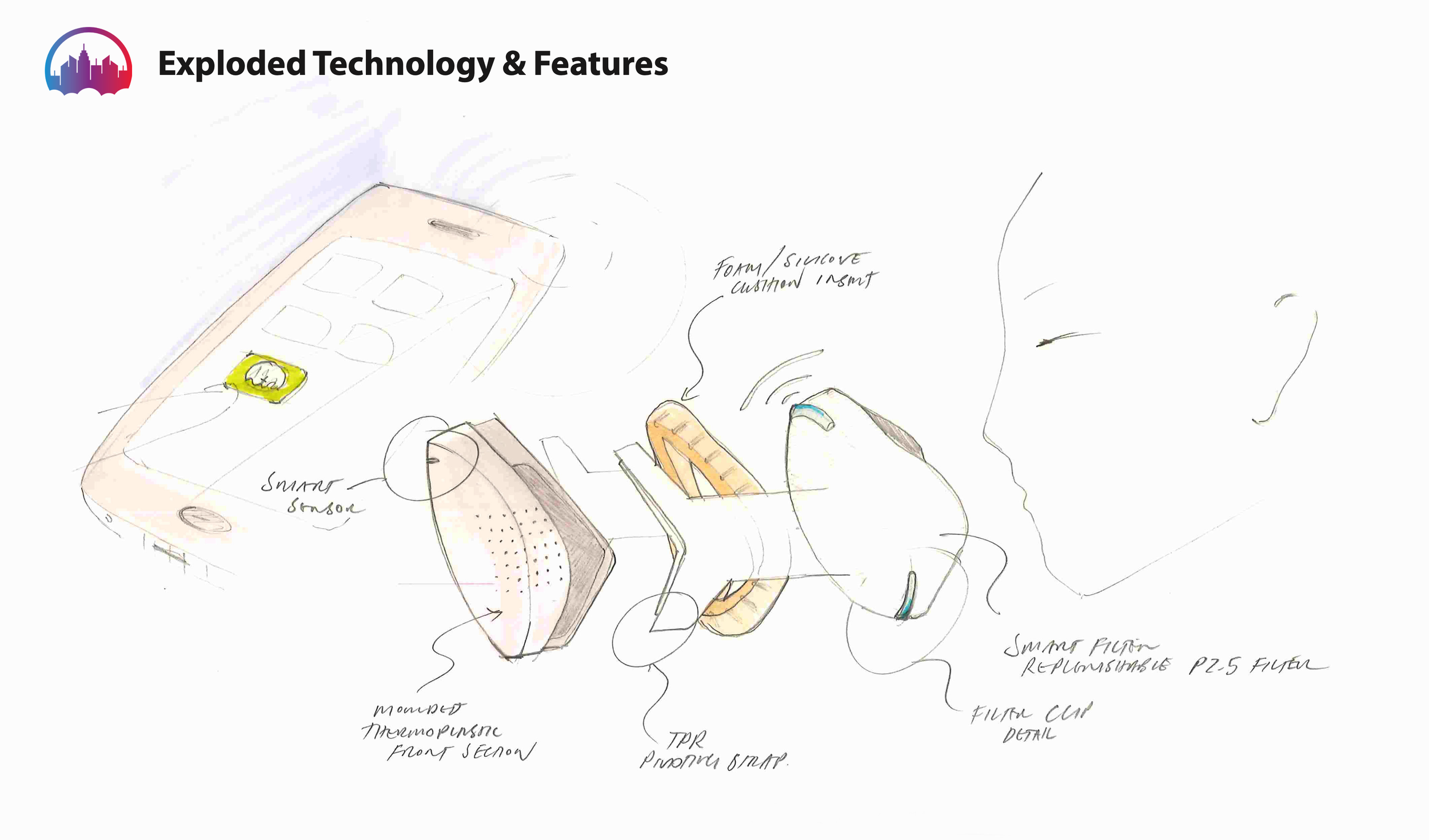
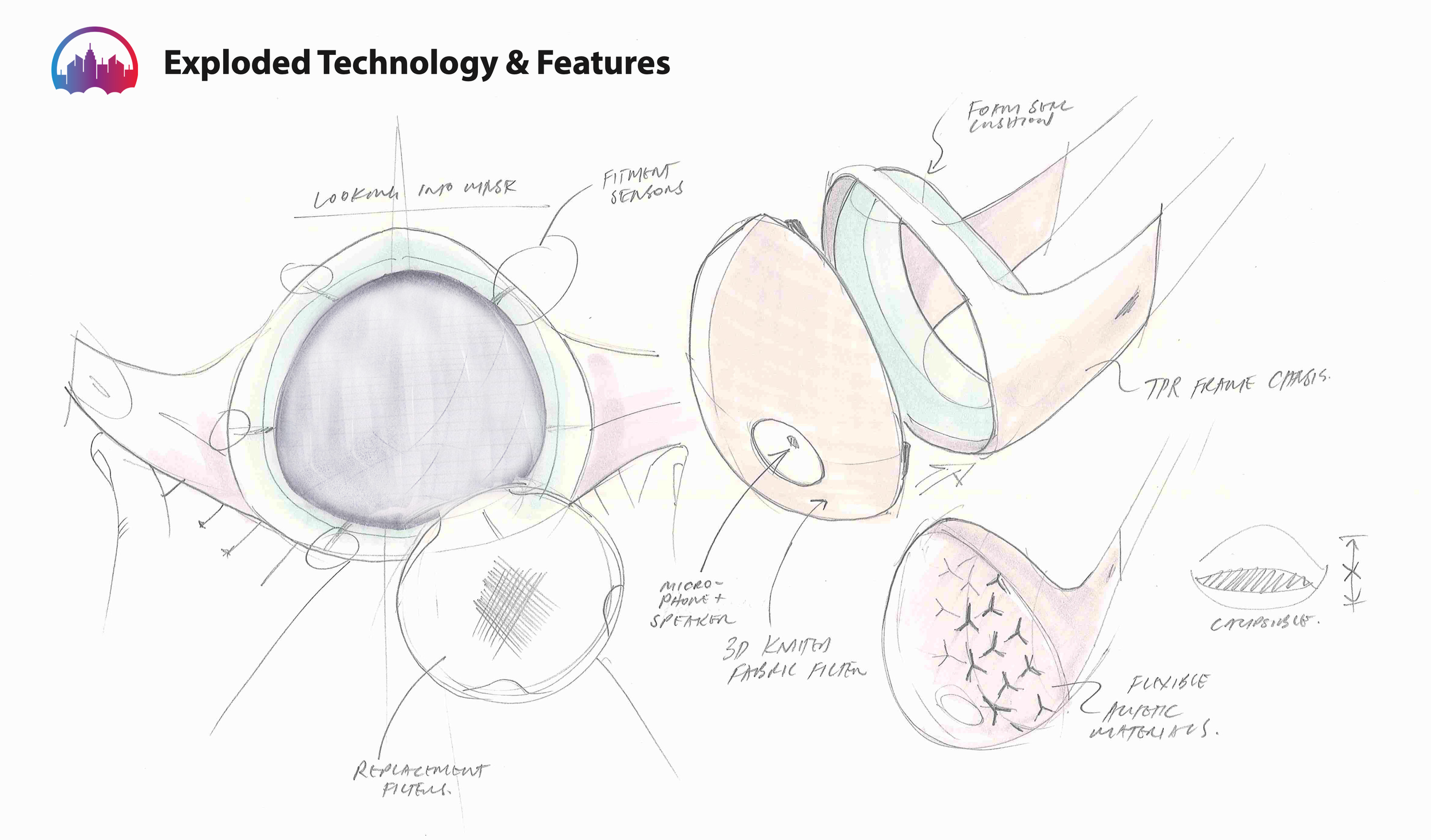
In the concept phase, we produced detailed storyboards that map the user journey for each strategic direction, illustrating realistic product‑user scenarios that demonstrate how our masks deliver tangible value to a health seeker, an active user, and a caregiver. We then translated these storyboards into drawn concepts that provide visual and stylistic insight into what customers want in a mask and that outline any additional feature sets and specific details needed to accommodate each individual’s lifestyle and style choices.
Outcome
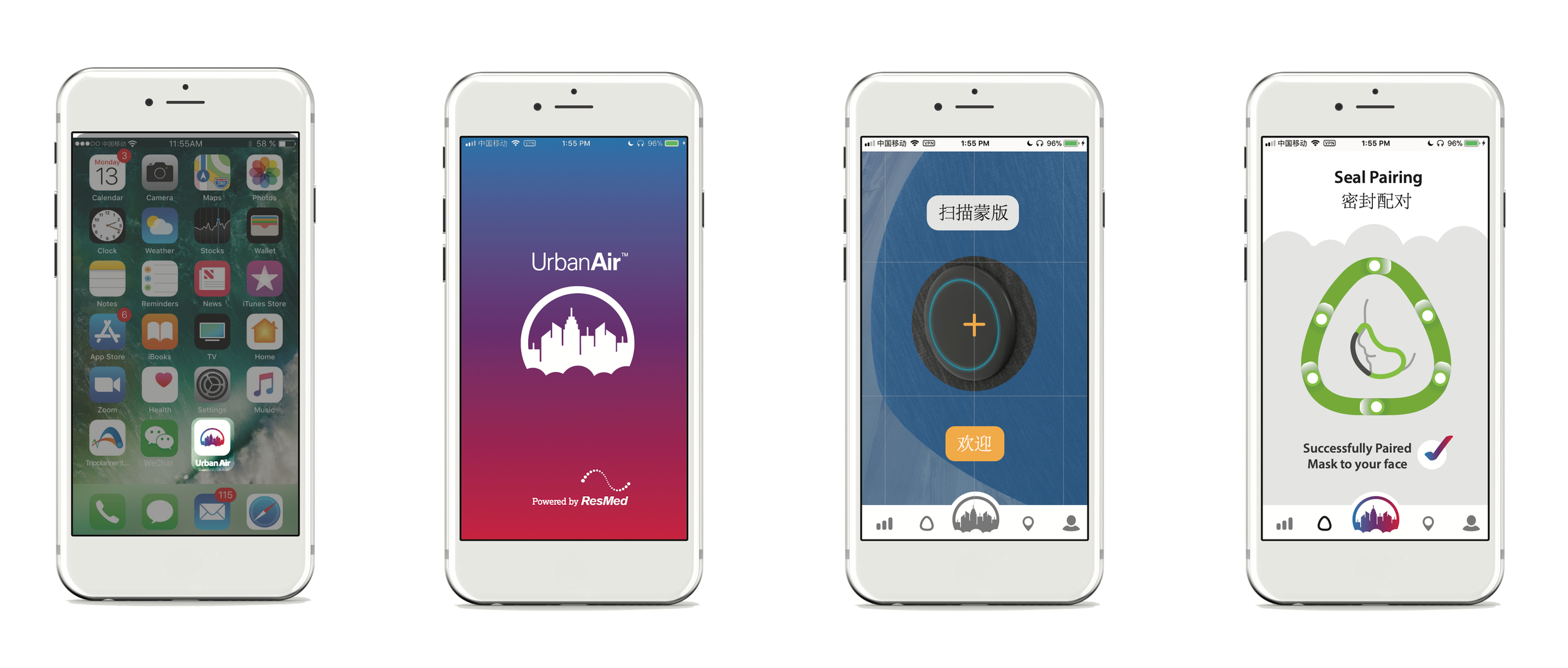
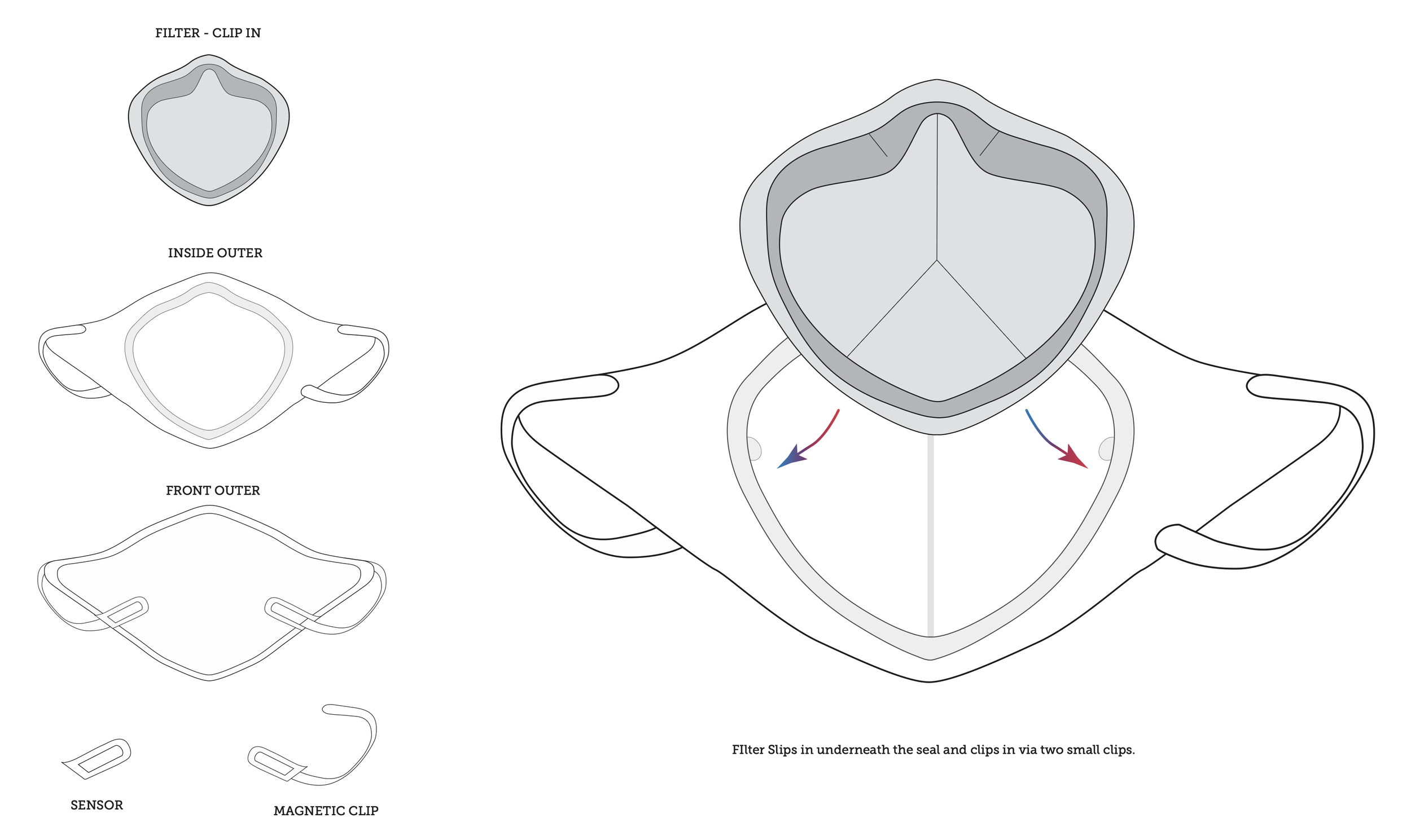
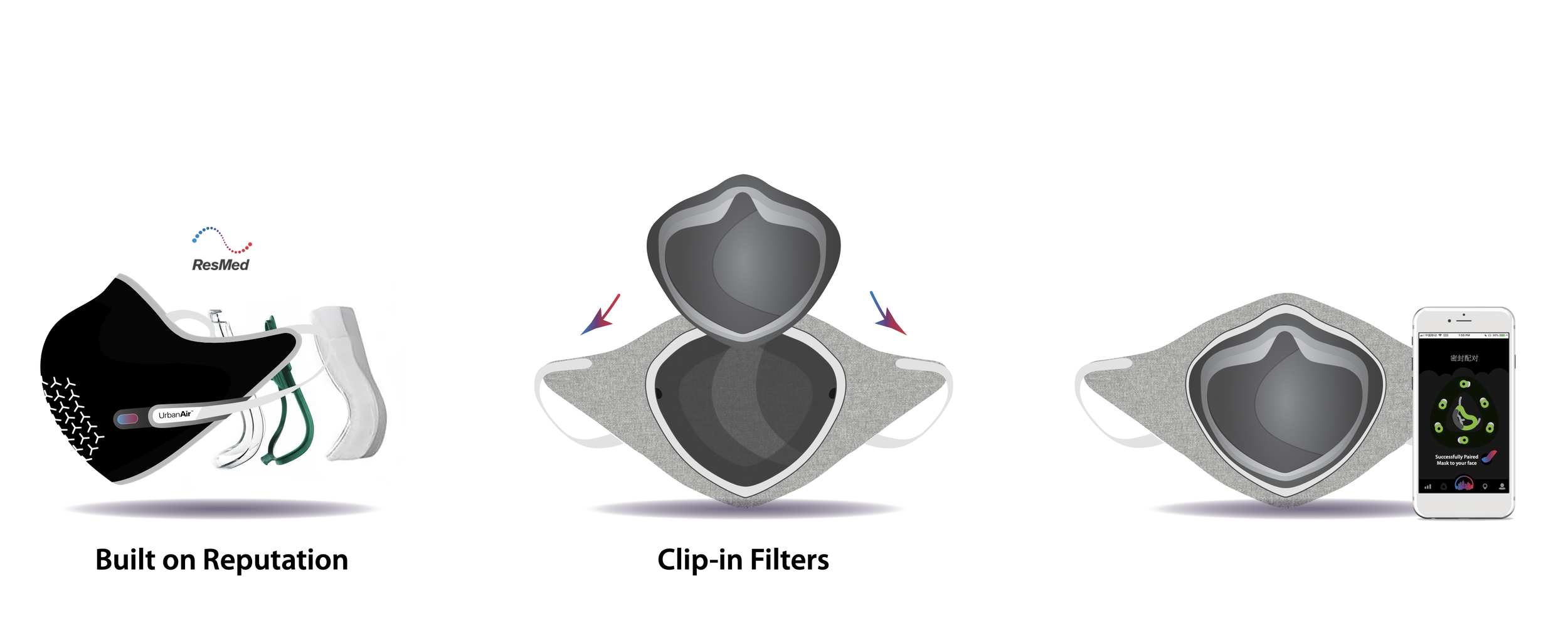
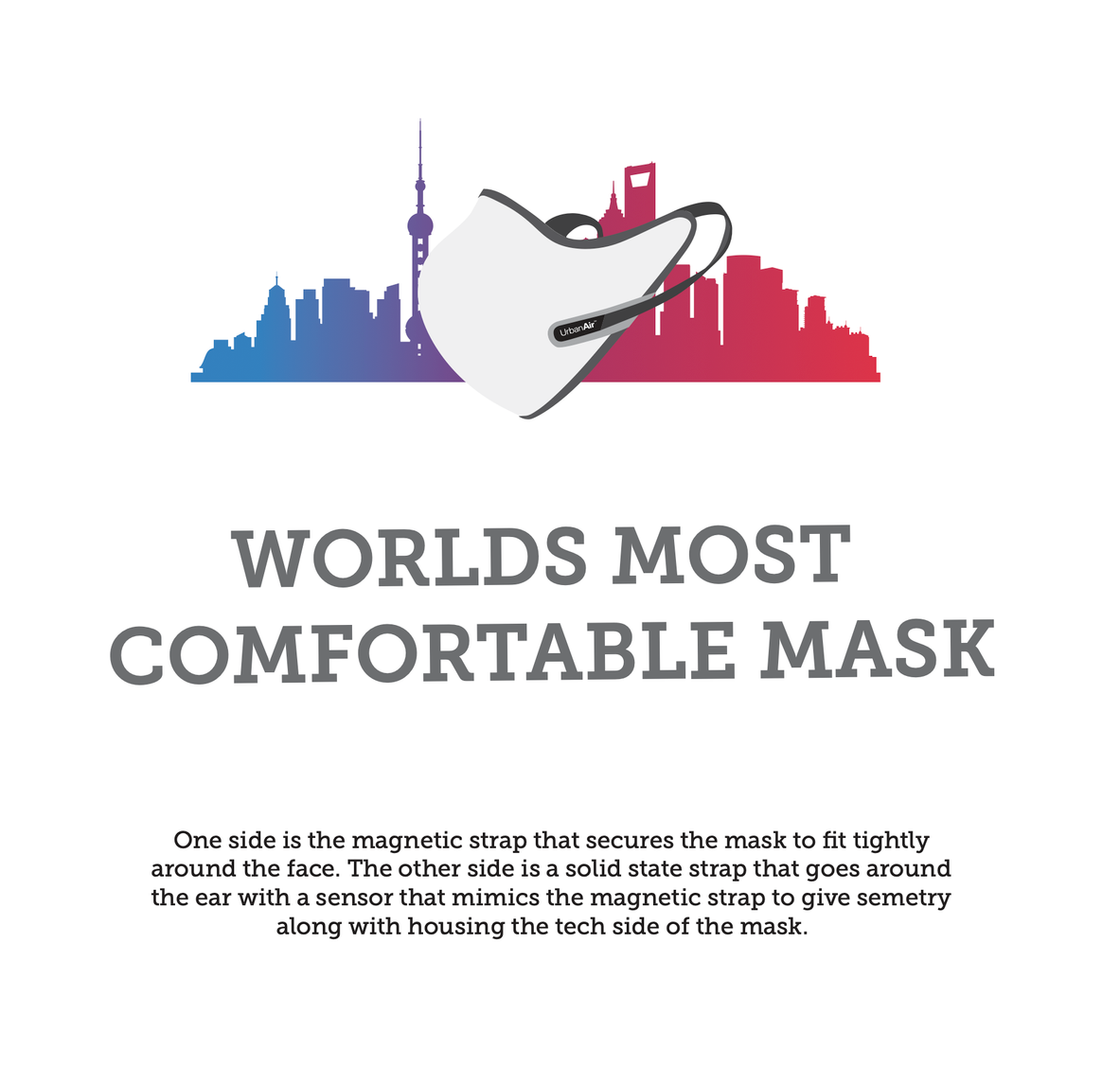
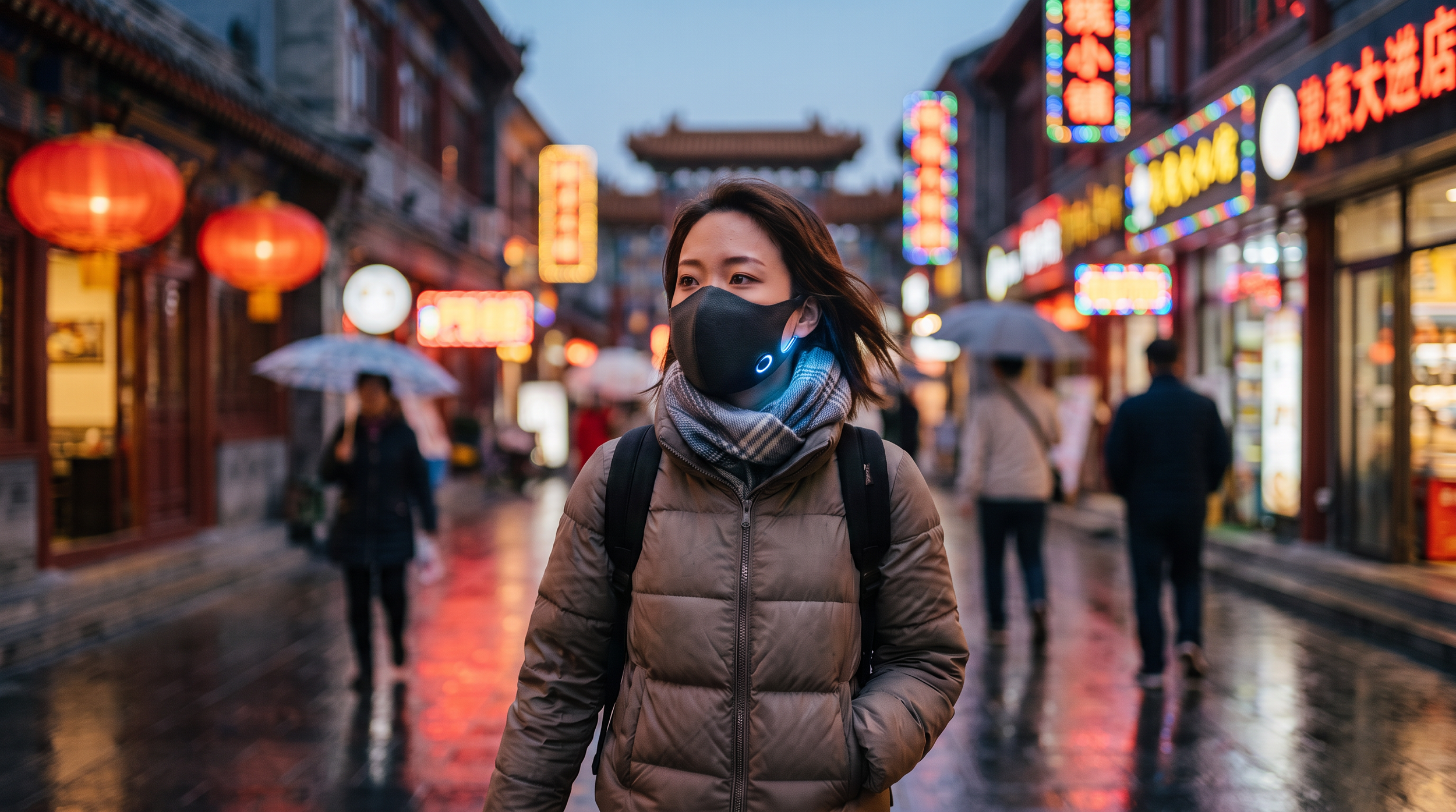
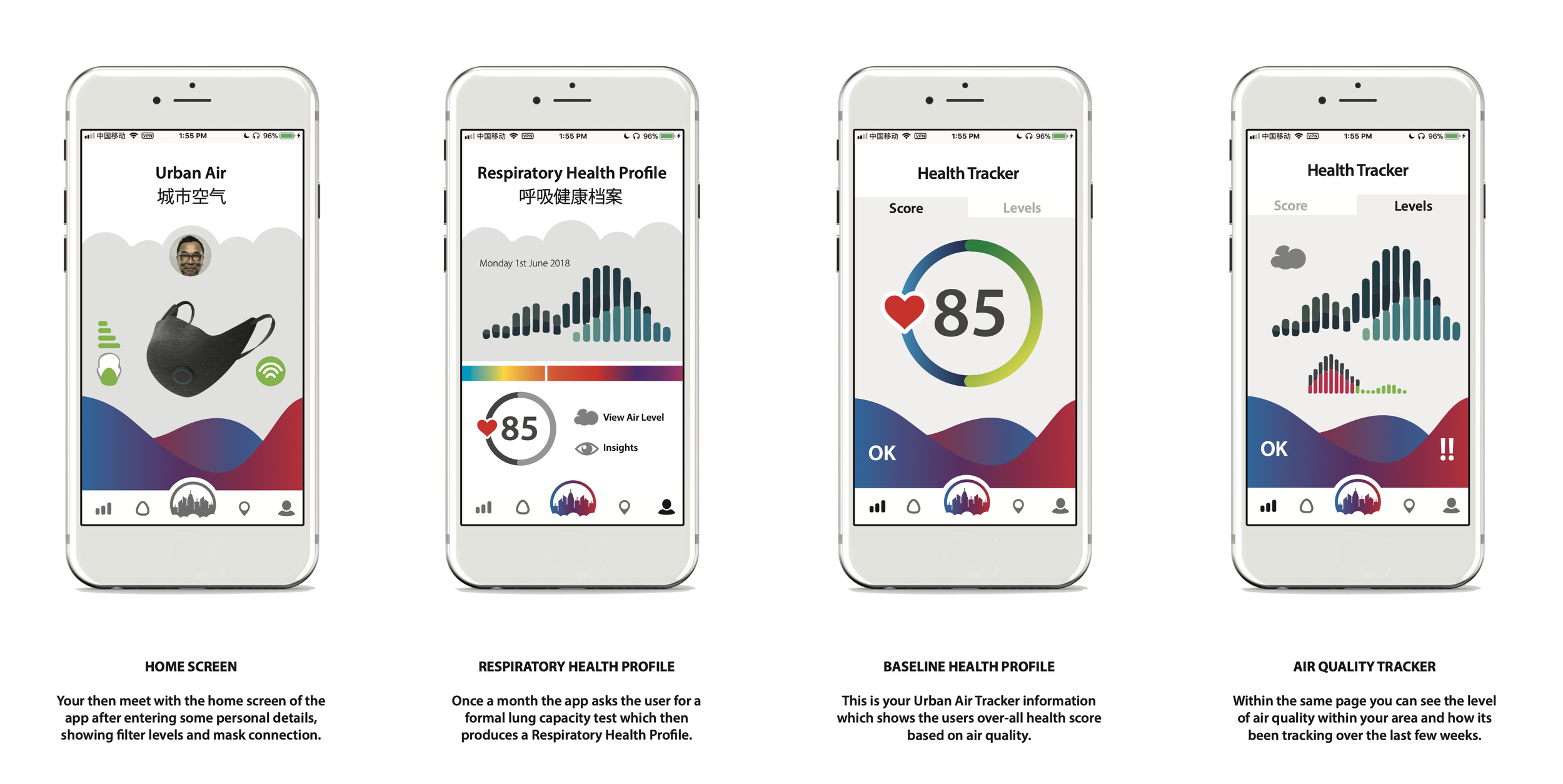
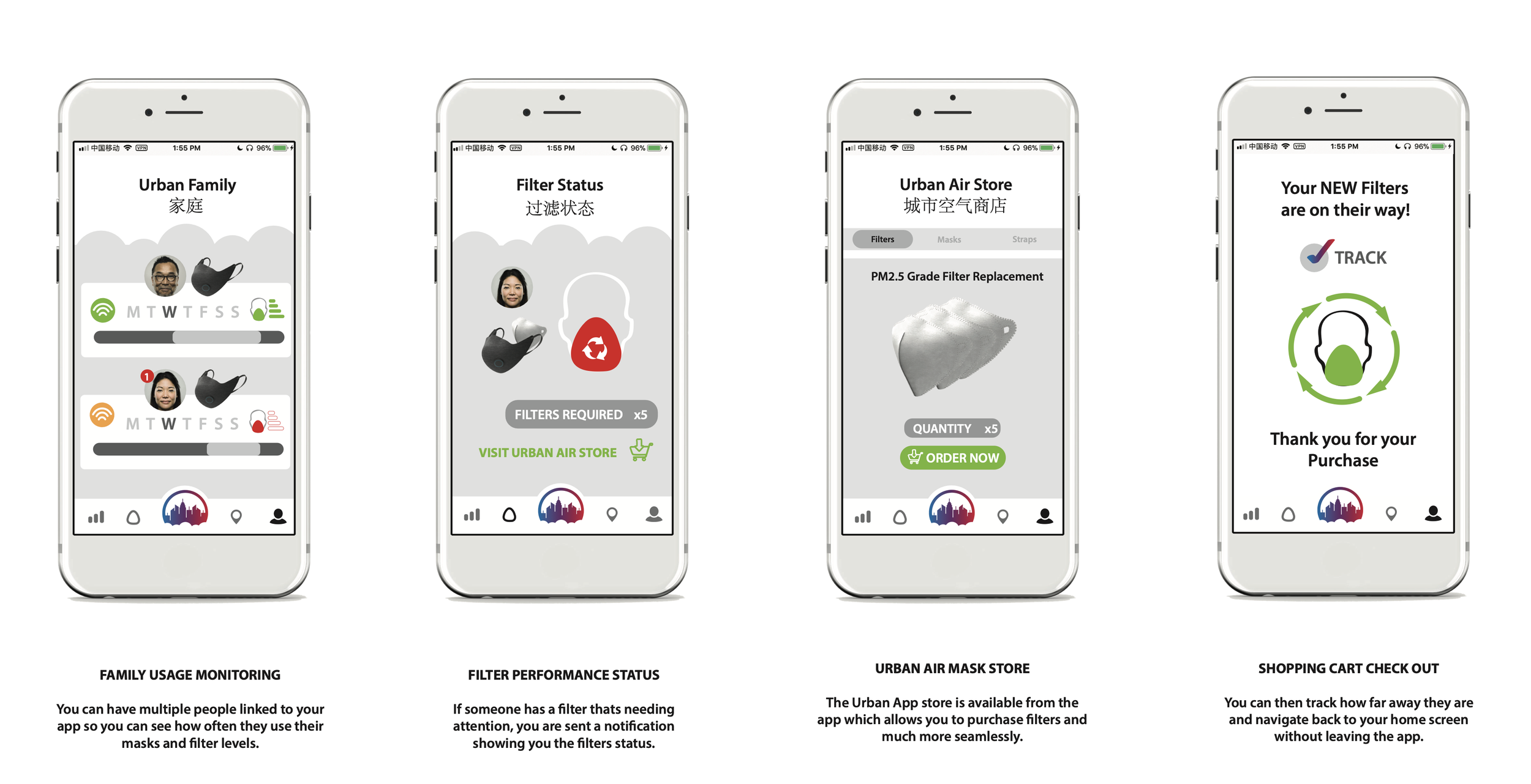
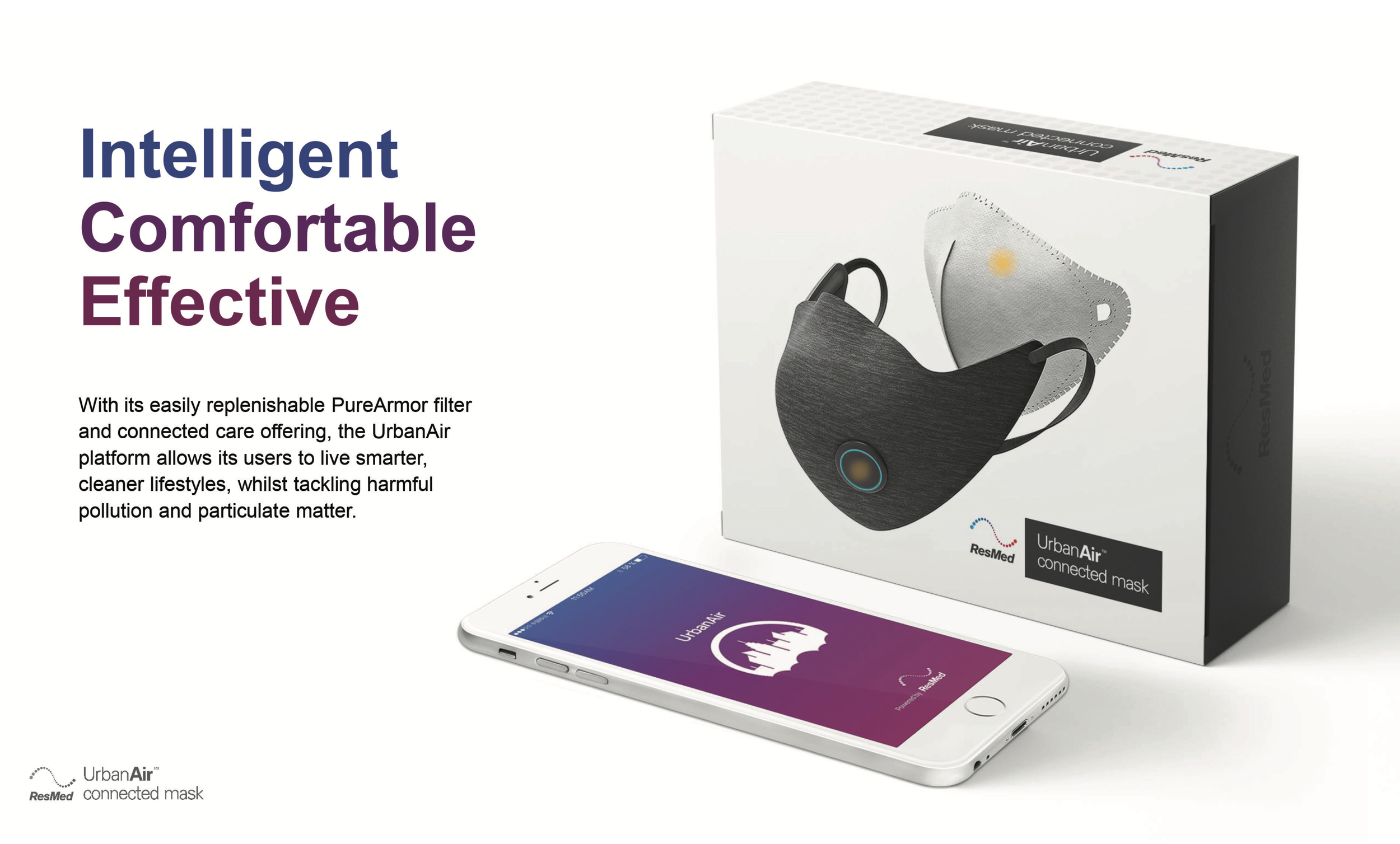
Framing the problem, customer research and concept exploration led us to the overarching concept direction of a connected, intelligent mask that can inform you when your environment is safe and properly filtered, while also providing the most comfortable fit. We expanded this idea into a refined, fully rendered solution that illustrates functionality, user interaction and material choices, serving as a clear guide for potential engineering, prototyping and future project pathways.
/ View other relevant work