Carbonfields
Helping farmers play a role in slowing climate change and be rewarded for it.
Building a brand system that enables farmers and landowners to generate new revenue by monetising the carbon stored in native bush, regenerating scrub, and unharvested forests.
Project Information:
Client: Carbonfields
Industry: Environmental Innovation
Services: Building Brands & Storytelling
Key Outcomes:
Brand Foundation
Brand Identity
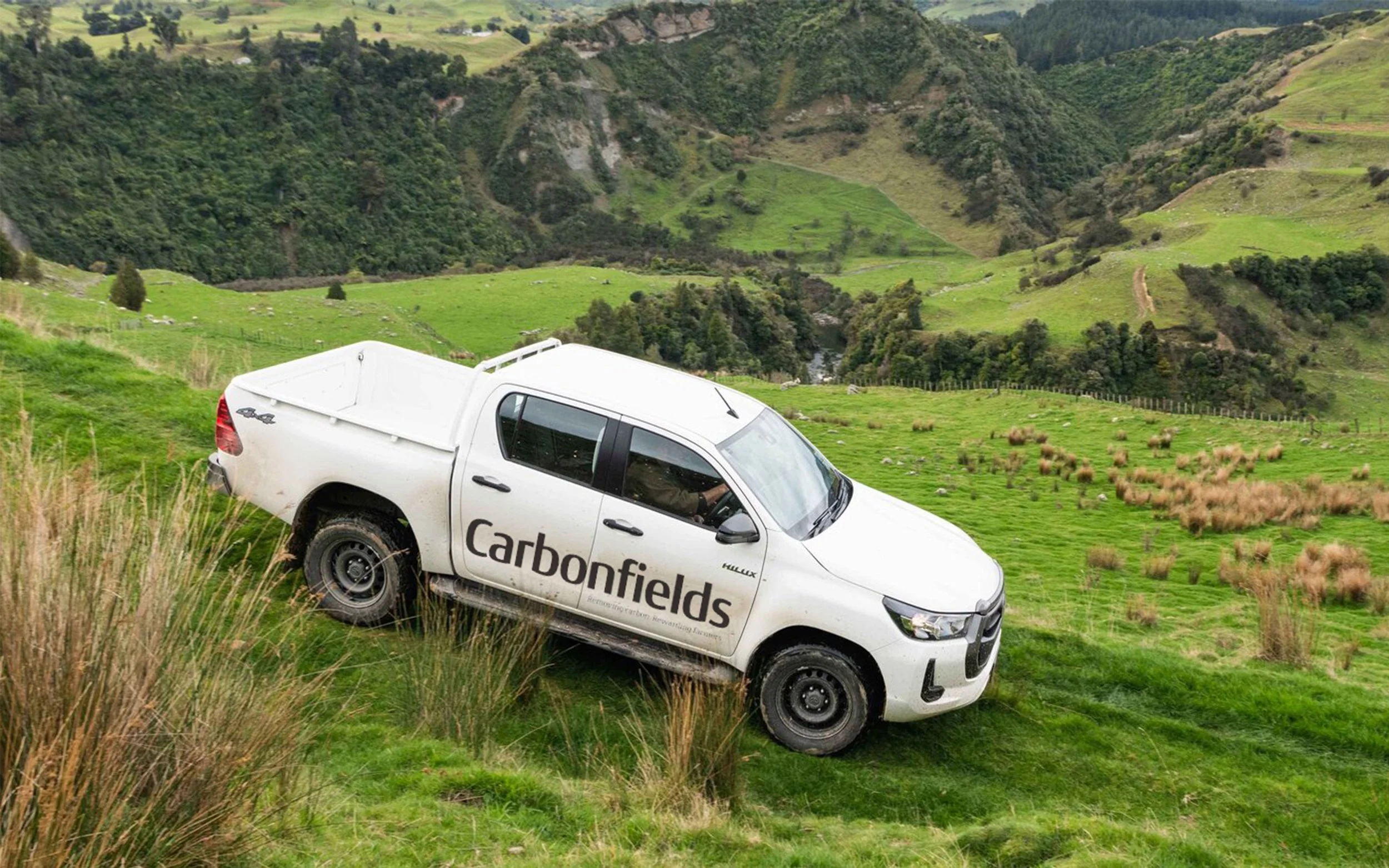
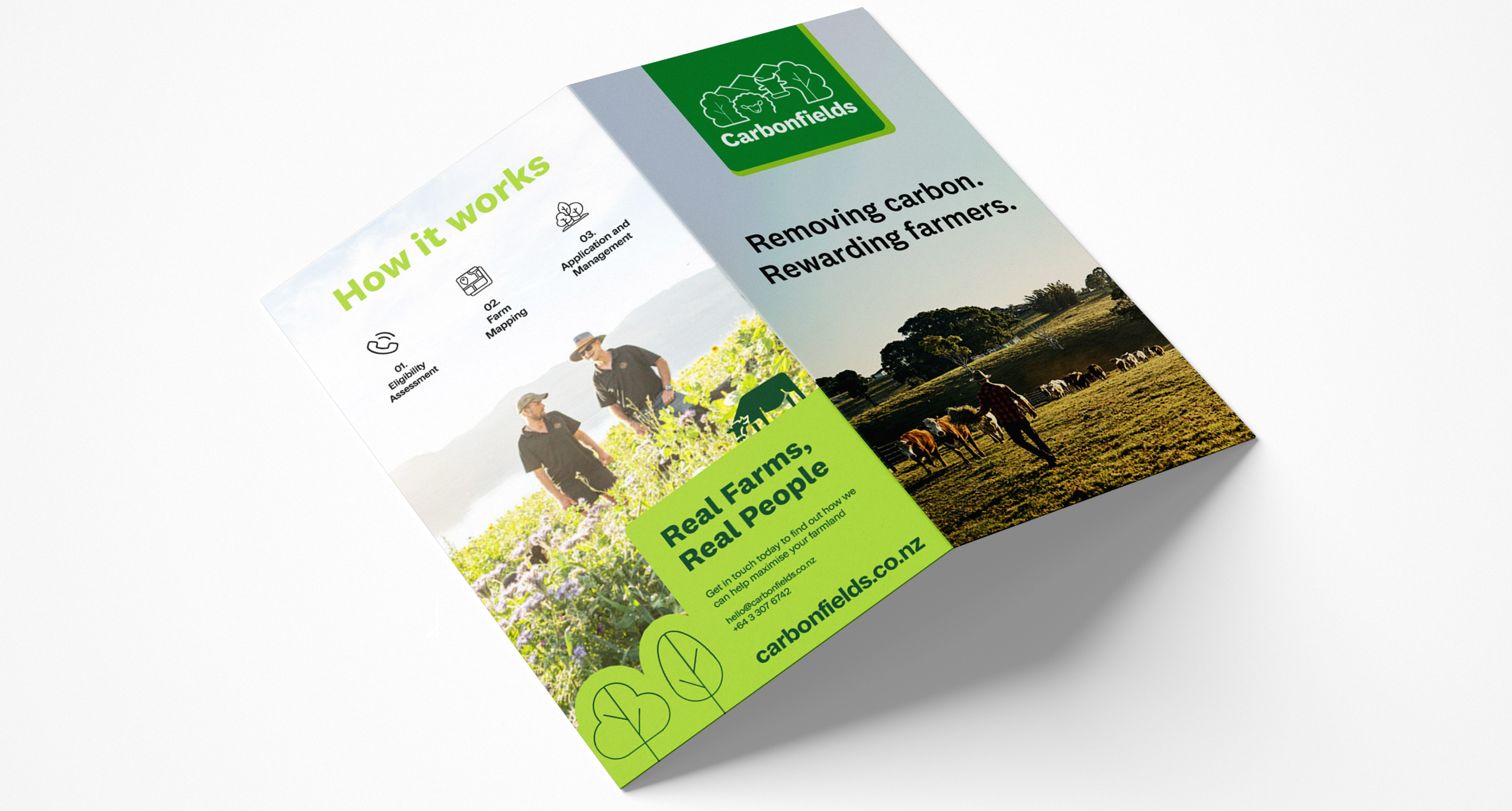
Brand Experience – Brand Kit, Brochures,
Apparel, Stationery, Application Forms,
Pull-up Banners, Online forms and Website Build.
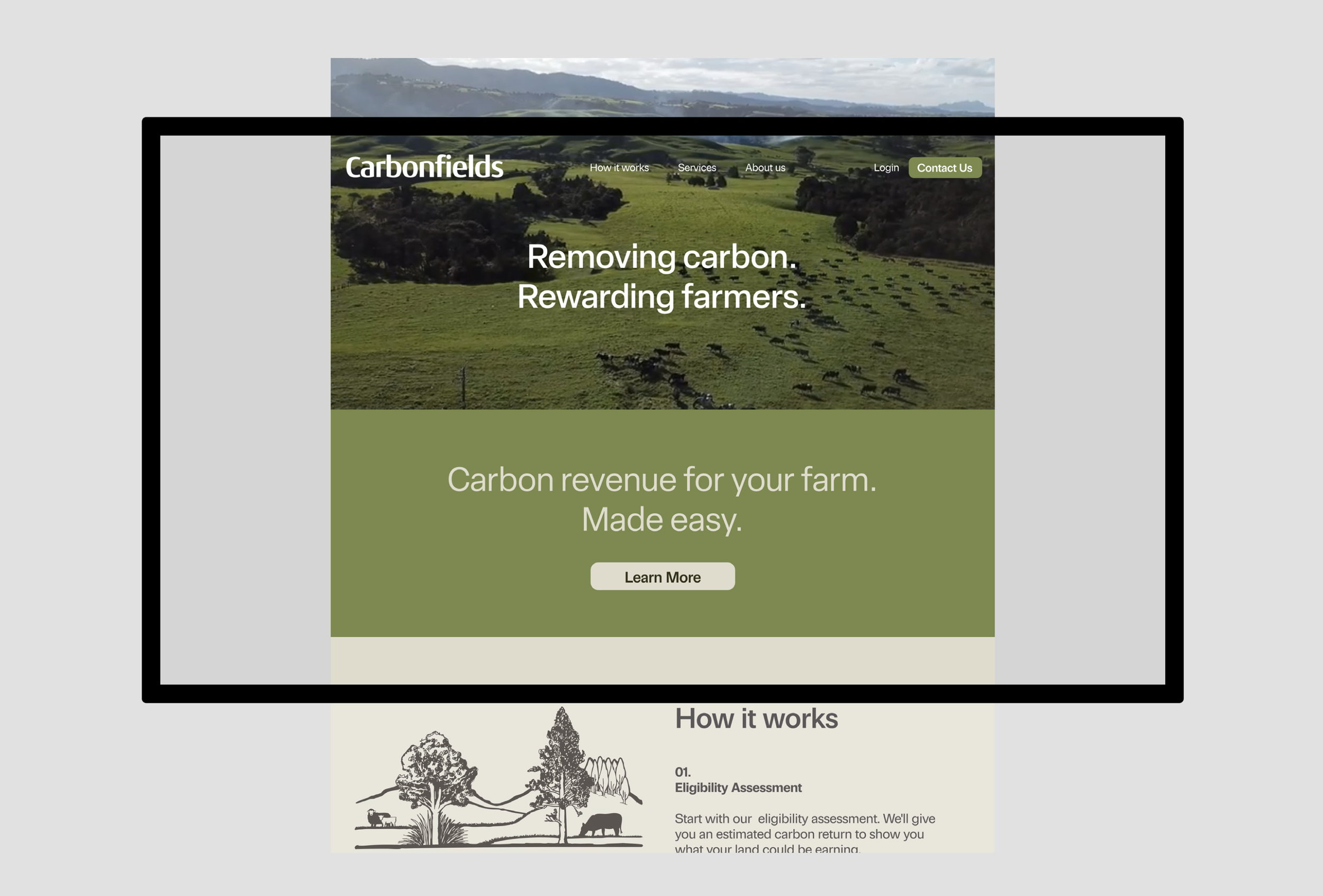

“Whatever it is, the way you tell your story online can make all the difference.”
-
Overview
Across New Zealand, farms are leaving significant value untapped through the carbon stored in existing native bush, regenerating scrub, and unharvested forests. Yet many landowners still believe that generating carbon revenue requires converting productive farmland into monoculture pine plantations. Carbonfields was established by Geoff Ross, Kerry McIntosh, and Craig Carr to change that perception. The business helps farmers and landowners monetise the carbon already stored on marginal land through existing native vegetation and exotic forests, allowing productive farmland to remain in agricultural use. Its vision is simple: to empower New Zealand farmers to unlock the value of nature, creating long-term prosperity for farms, communities, and the environment. As farming evolves, future farm income will increasingly come from a diversified mix of enterprises. Alongside livestock and cropping, opportunities such as renewable energy, tourism, and carbon will become important supplementary revenue streams, strengthening the long-term resilience and profitability of New Zealand farms.
Frame
The carbon market is complex and often polarising. Debate around land use - particularly the conversion of productive farmland into permanent pine forests - has created uncertainty for many farmers. While the Emissions Trading Scheme (ETS) was designed to reduce national emissions, it has also been criticised for incentivising large-scale afforestation at the expense of productive farmland and rural communities. Our challenge was to develop a universal brand that speaks directly to farmers - one that clearly explains the Carbonfields proposition at a glance while building trust in an unfamiliar and often misunderstood market. A brand that positions farmers at the centre of New Zealand's climate solution, recognising that they already play a vital role in carbon sequestration and should be rewarded for it. The opportunity was to demonstrate that carbon accreditation can coexist with productive farming. Rather than replacing agriculture with forestry, Carbonfields enables farmers to generate carbon revenue from existing native bush, regenerating scrub, and unharvested forests on marginal land, while continuing to farm productive areas. The business of the brand is to provide a simple, end-to-end solution that helps landowners identify, assess, register, and manage on-farm carbon and biodiversity opportunities. By unlocking new revenue streams from natural assets already present on farms, a complelling brand could propel a more balanced approach to carbon farming - one that strengthens farm resilience, supports biodiversity, and helps shape a more sustainable future for New Zealand's rural landscape.
Our Approach
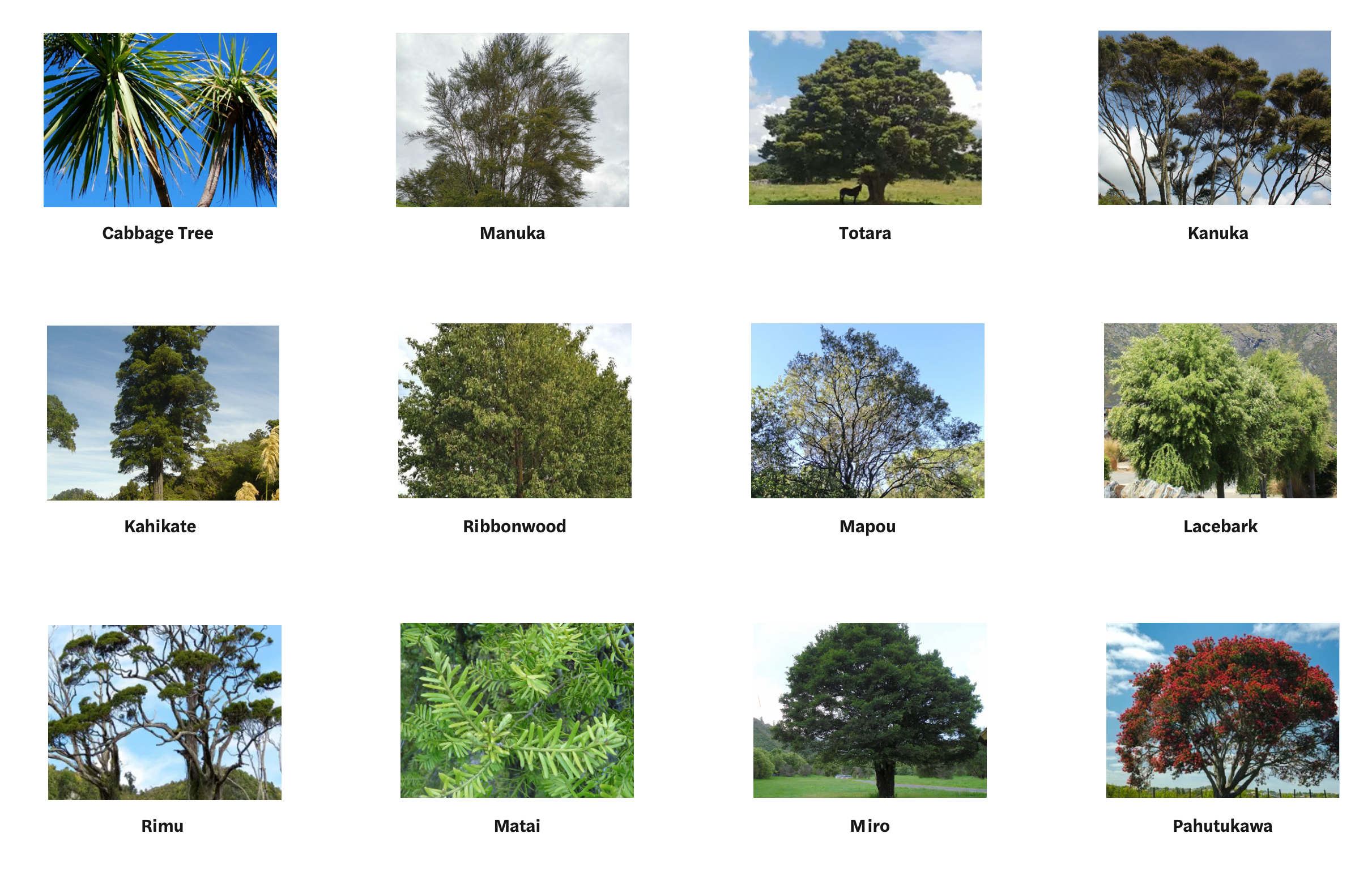
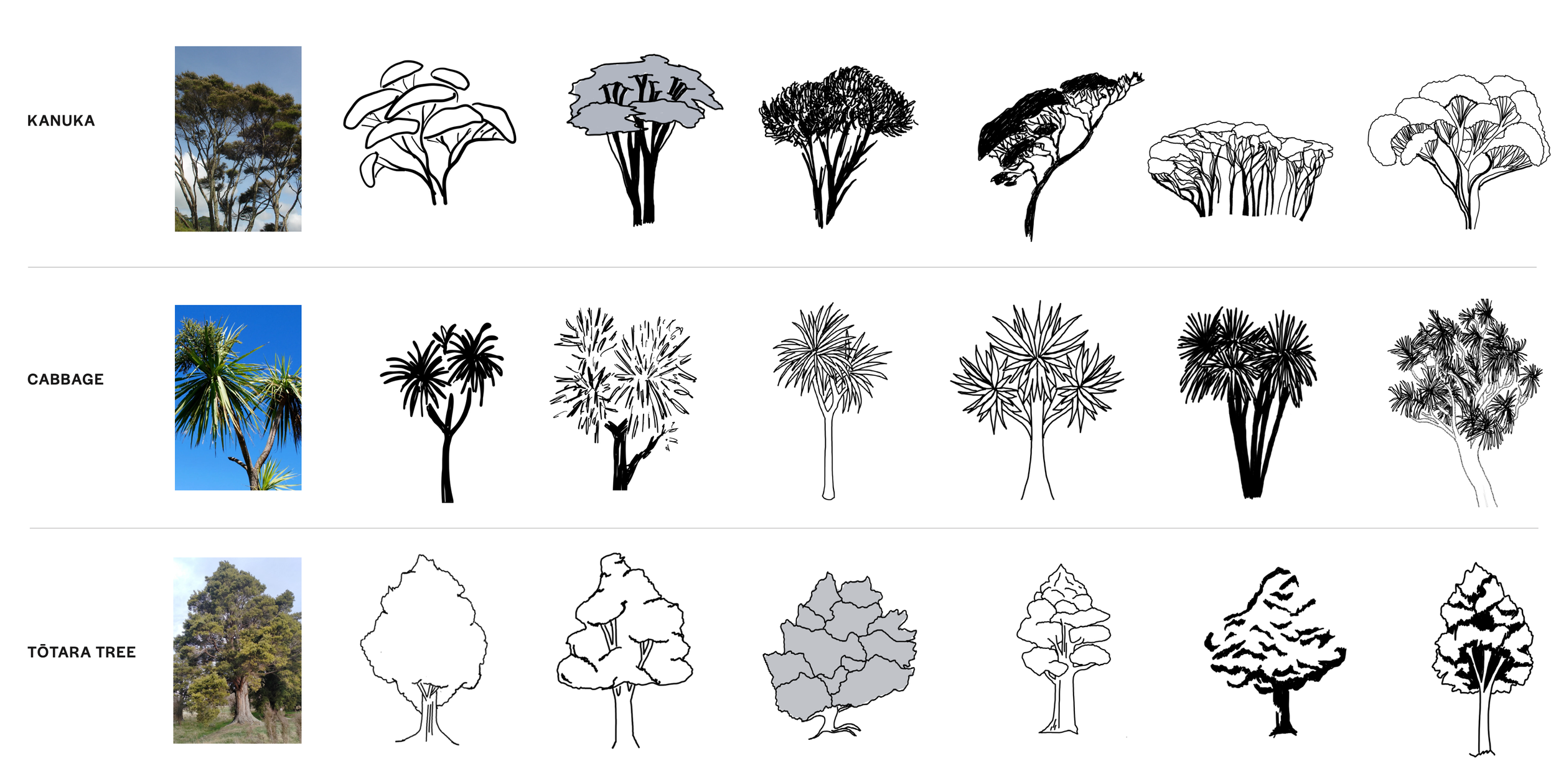
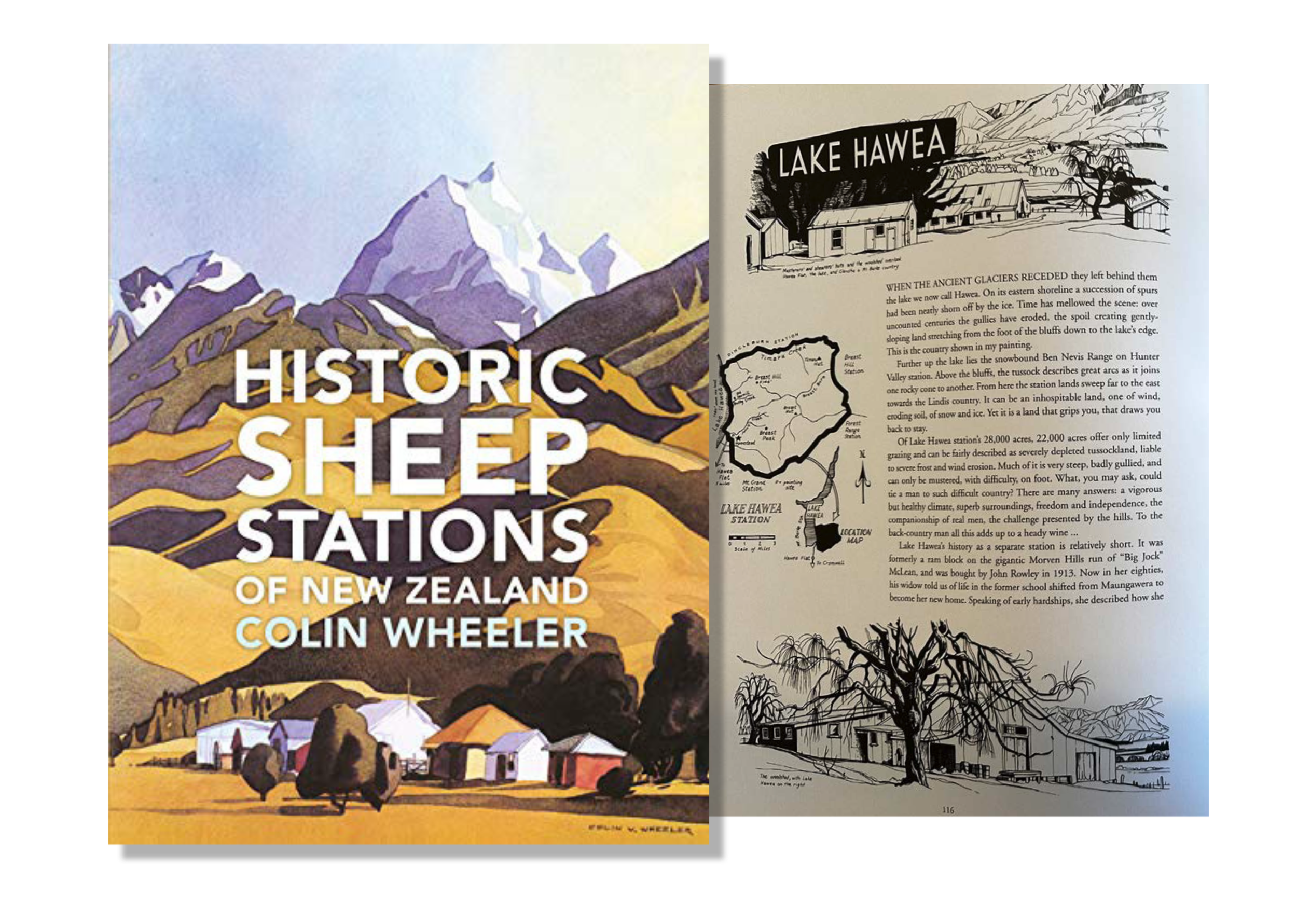
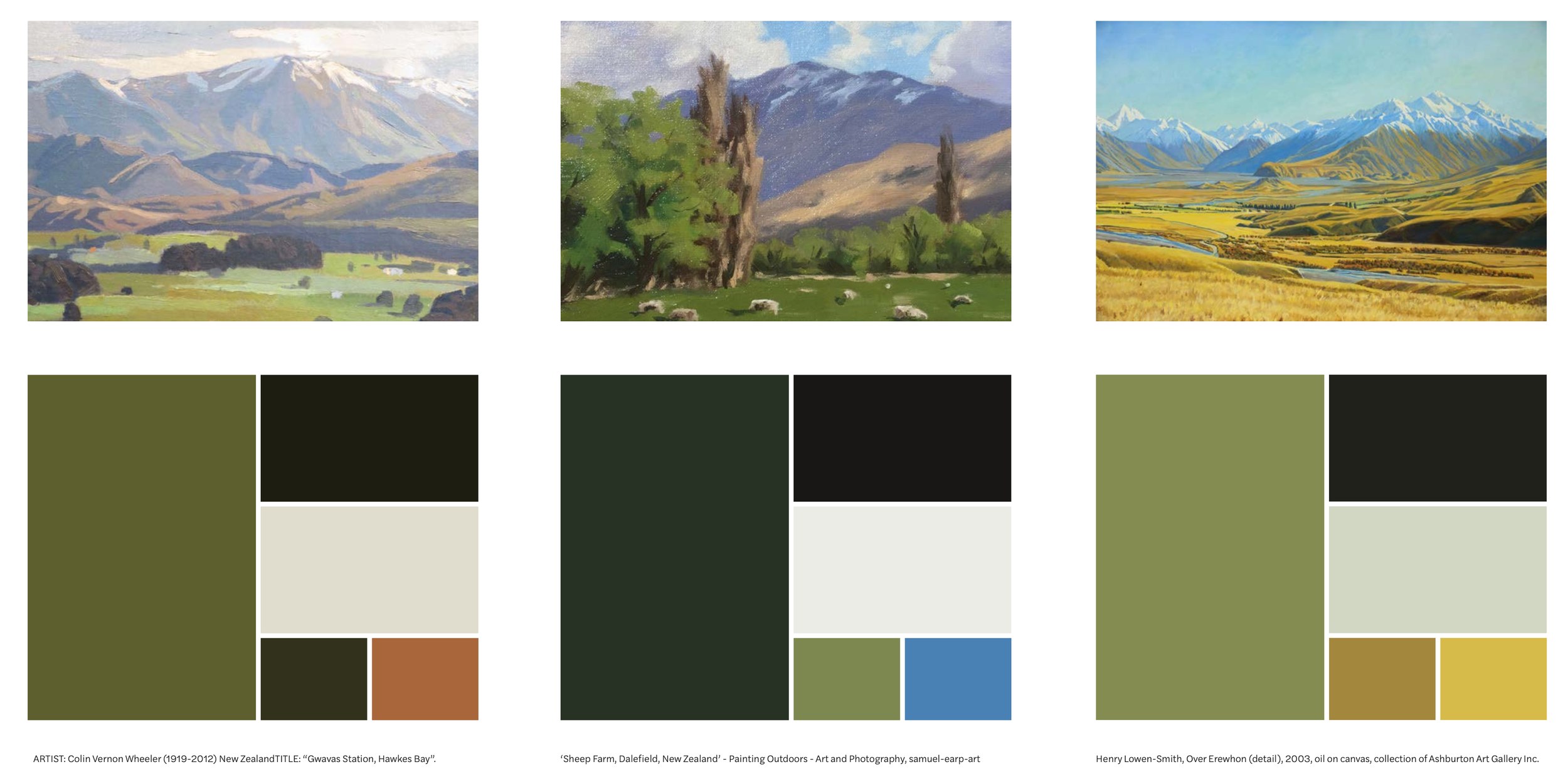
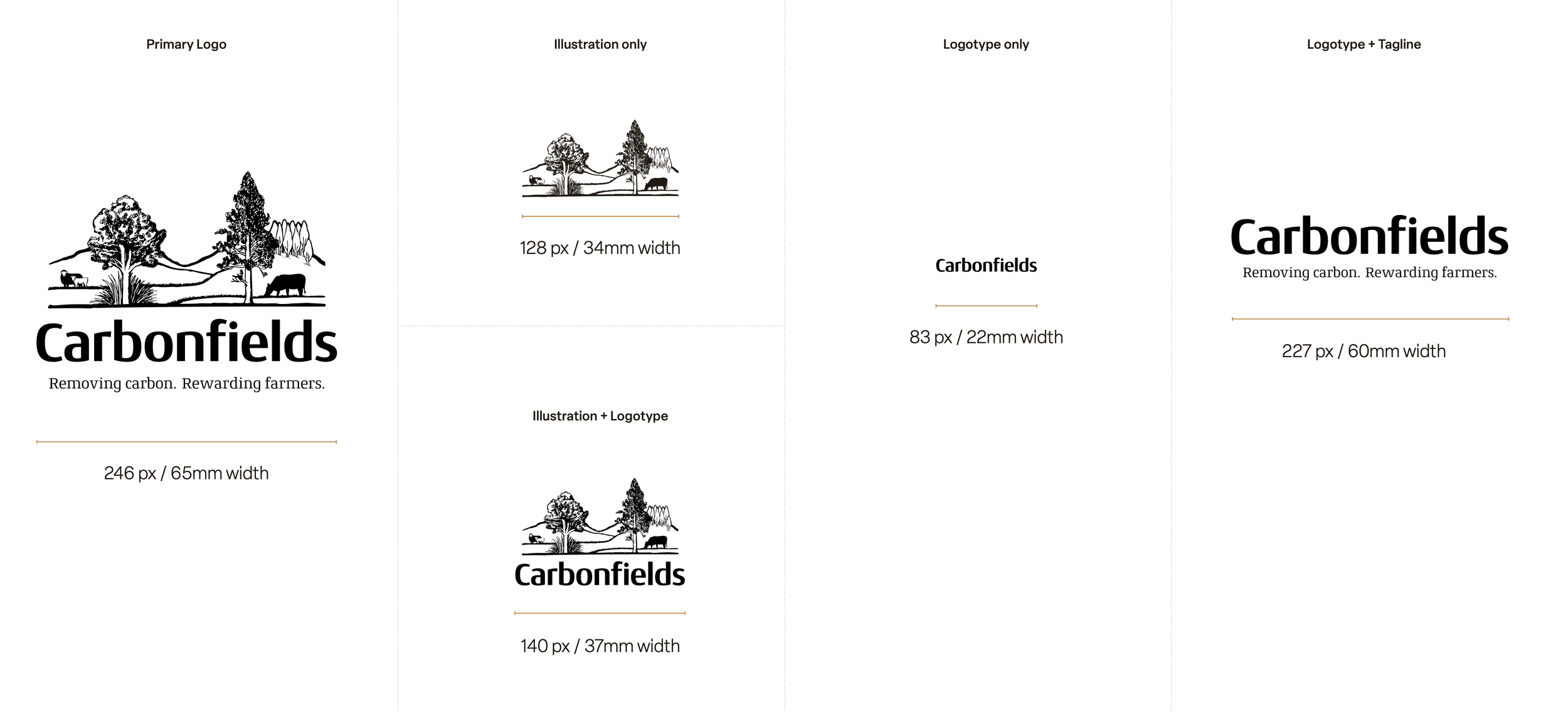
Developing the foundations of the brand led us to a simple insight: the opportunity needed to be communicated in a way that farmers could understand at a glance. The identity needed to literally represent the balance between productive farming and carbon sequestration - bringing livestock and trees together in a clear, memorable visual narrative. The design process explored iconic New Zealand rural landscapes, native vegetation, and the distinctive forms of sheep and beef cattle. We studied historical and contemporary visual languages associated with farming, including illustration, etching, engraving, and pointillism, to understand which styles carried the strongest sense of authenticity and connection with New Zealand farmers. At the same time, we investigated scientific representations of carbon, sequestration processes, and natural systems to inspire subtle visual cues within the identity. The brand voice was intentionally accessible, straightforward, and authentic. Rather than relying on technical language or carbon-market jargon, Carbonfields speaks in the everyday language of farmers. It is a brand built around guidance and partnership - helping ordinary people achieve ambitious environmental outcomes through practical, manageable solutions. This philosophy became a consistent thread across every aspect of the brand, reinforcing the idea that traditional farm assets can deliver new forms of value. A wide range of logo concepts, emblems, colour palettes, typography, and visual systems were explored. Through iterative testing with the Carbonfields team and farmers, a distinctive design language emerged. Layered landscape forms, featuring multiple horizons, became a defining characteristic of the identity—symbolising the coexistence of farming, nature, and future prosperity while creating depth and recognisable brand character. Working closely with Geoff, we developed a simple, memorable tagline like brand promise: "Removing carbon. Rewarding farmers." Its strength lies in its clarity. In just four words, it captures both the environmental purpose of the business and the direct benefit it delivers to New Zealand farmers.
Outcome
Carbonfields has transformed the conversation around carbon on New Zealand farms. Rather than positioning carbon as an alternative to farming, it reframed it as a complementary farm asset - helping landowners generate new income from existing native bush, regenerating scrub, and unharvested forests while continuing to farm productive land. At the time of writing, Carbonfields manages more than 110 farms, representing 4,629 hectares of registered forest and 49,527 tonnes of carbon sequestration (tCO₂). Beyond these measurable outcomes, the project has helped build confidence in an emerging market by making a technically complex and often polarising subject understandable, accessible, and relevant to everyday farmers.
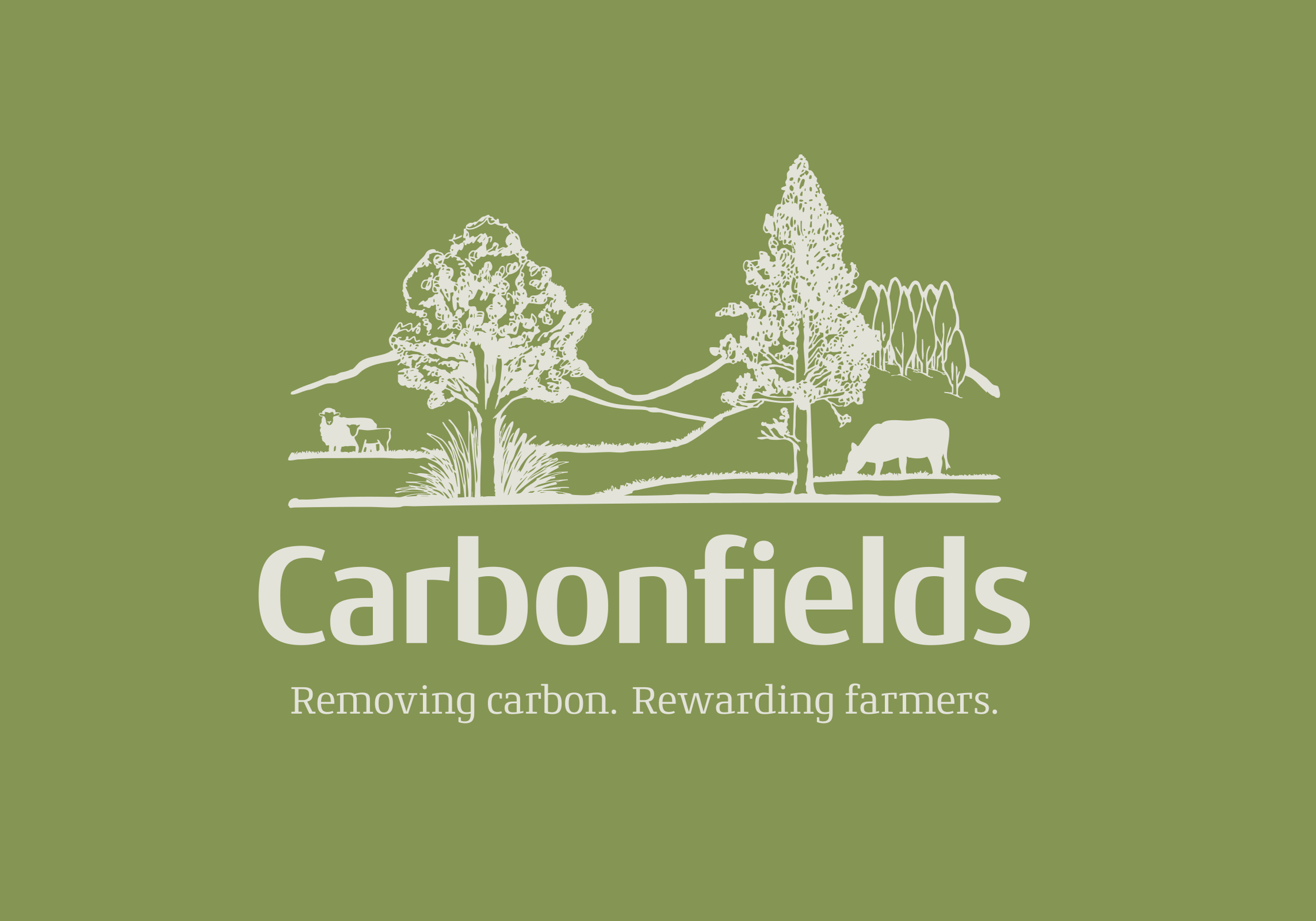
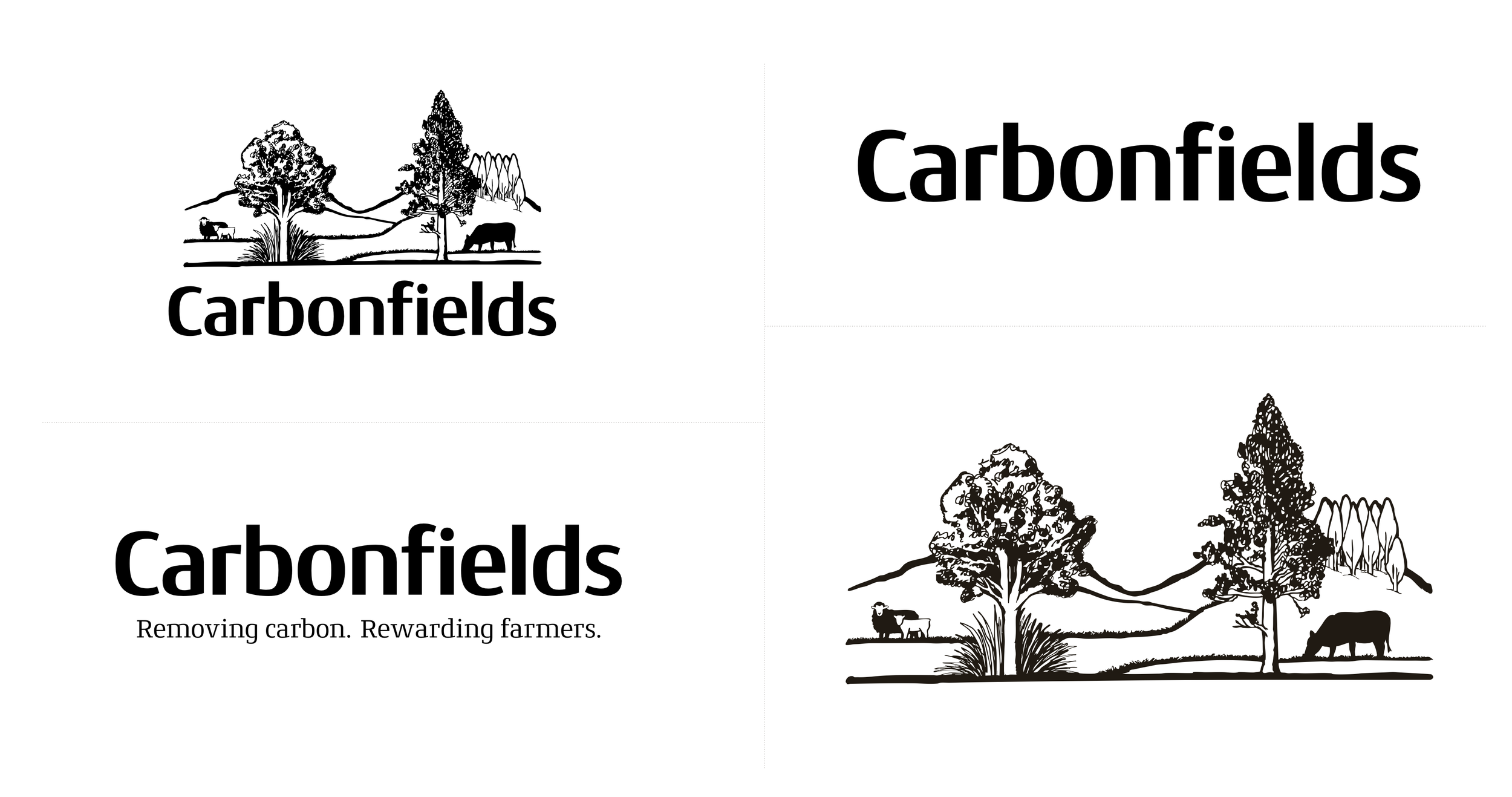
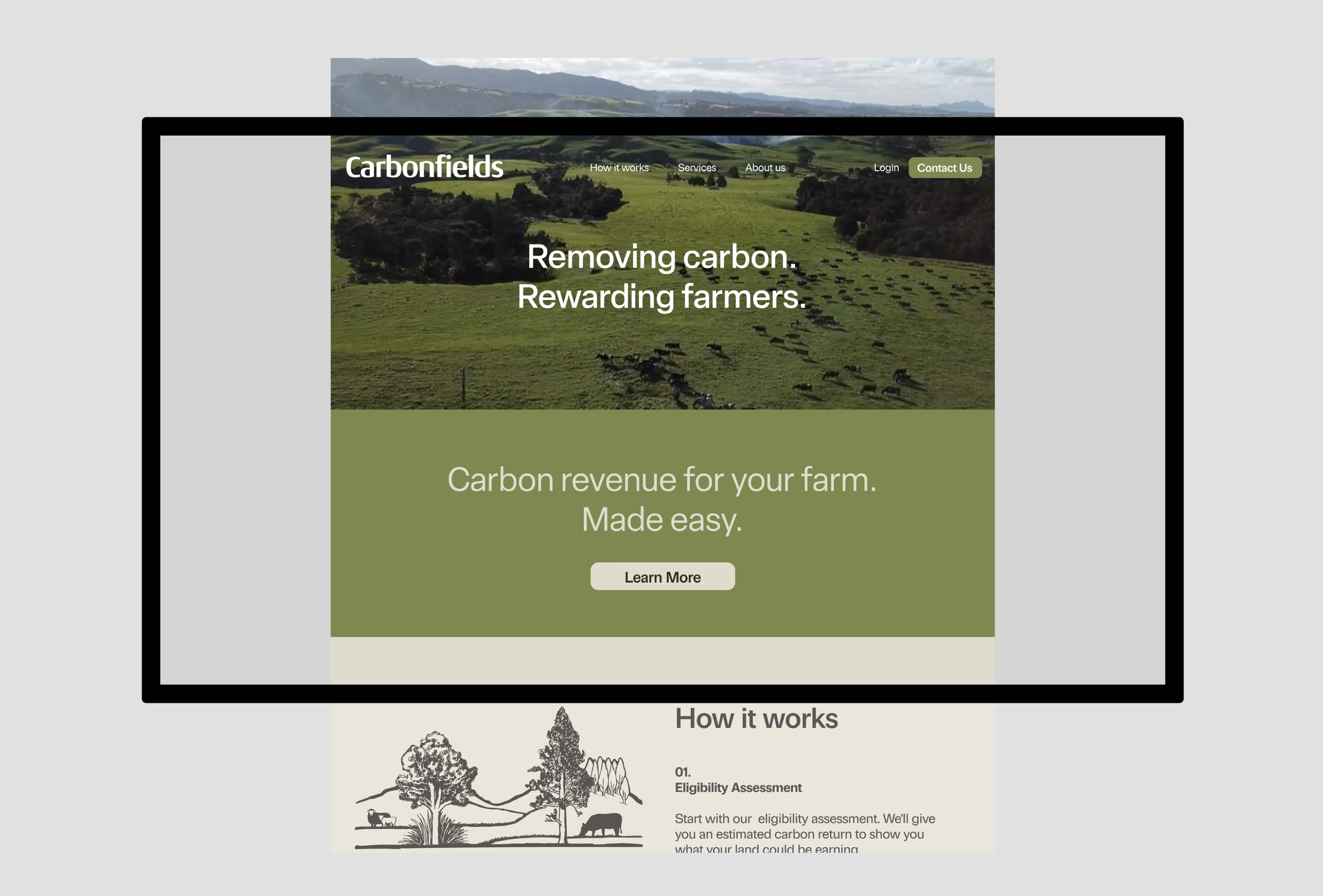
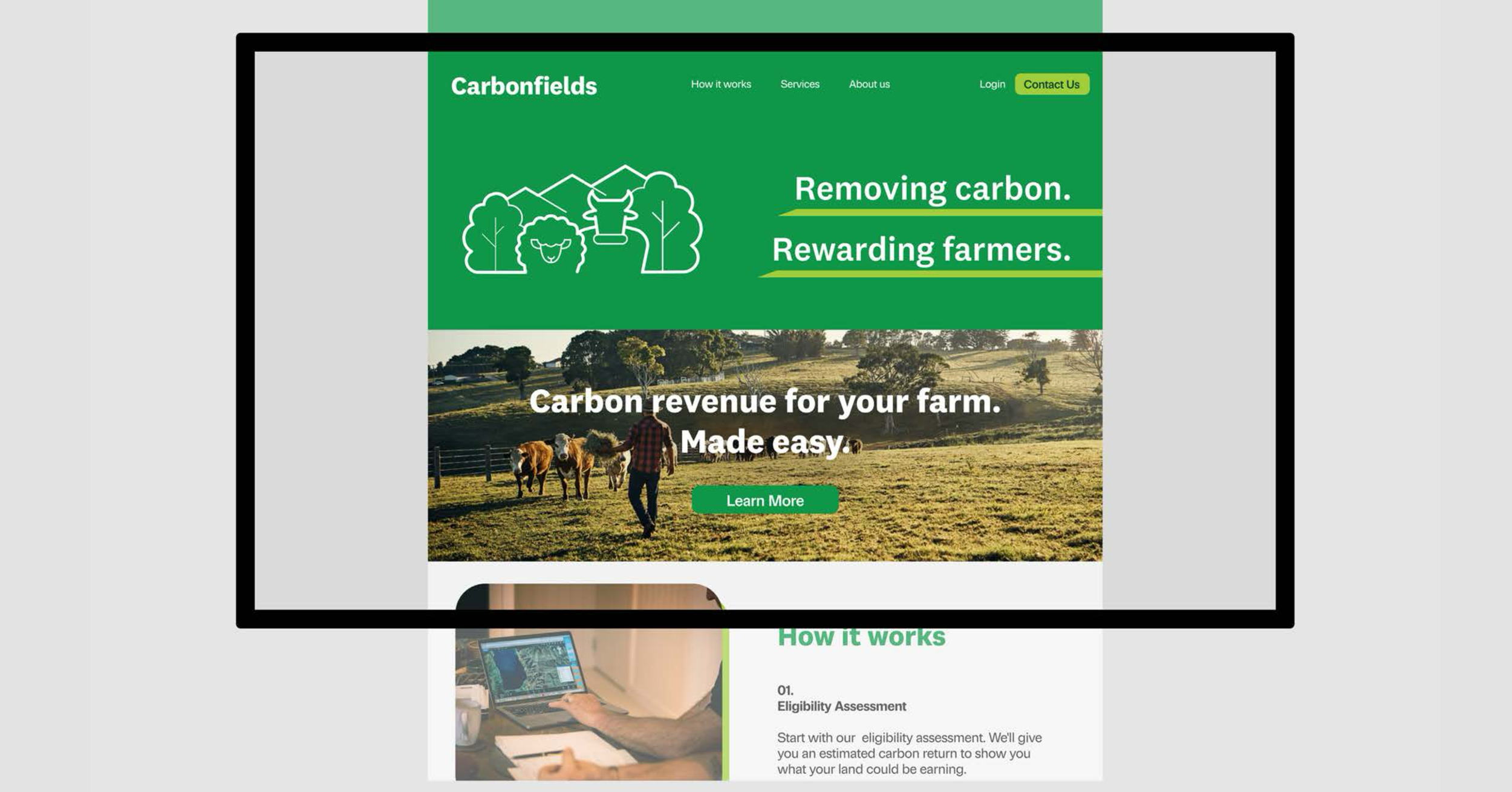
The brand's strength lies in its simplicity. Every element was designed to communicate the central idea that farming and environmental stewardship are not competing interests - they are stronger together. The logo combines silhouettes of native and plantation trees with familiar livestock forms, expressing in a single mark the coexistence of productive agriculture and ecological restoration. It transforms a complex carbon proposition into an instantly recognisable story about New Zealand farming. The visual identity continues this philosophy through a robust, approachable typographic system, layered rural landscapes, and an authentic colour palette inspired by the New Zealand countryside. Together, these elements create a brand that feels less like a corporate carbon business and more like a trusted farming partner—practical, knowledgeable, and grounded in the realities of rural life.
What elevates the work is that it does more than create a recognisable brand. It reshapes perceptions. By translating a complex carbon economy into a clear, farmer-first proposition, Carbonfields has made participation in the carbon market feel achievable rather than intimidating. In doing so, it has demonstrated how thoughtful design can unlock new economic opportunities, strengthen environmental outcomes, and contribute to a more resilient future for New Zealand agriculture.
/ Relevant Work